
This research examines how cultural narratives of “monsters” shape legal perceptions of marginalized groups, particularly queer people of color. Using a utopian framework, it proposes equity-based reforms to the criminal justice system, addressing the intersection of race and sexuality and amplifying underrepresented voices in legal scholarship and social justice discourse.

2026
This research examines the impact of stand-your-ground laws on public safety. While widely adopted, the findings show no large or immediate effects on homicide or related outcomes. However, small, uncertain effects may exist, and when scaled across many interactions, these can influence behavior and contribute to real-world consequences in everyday confrontations.
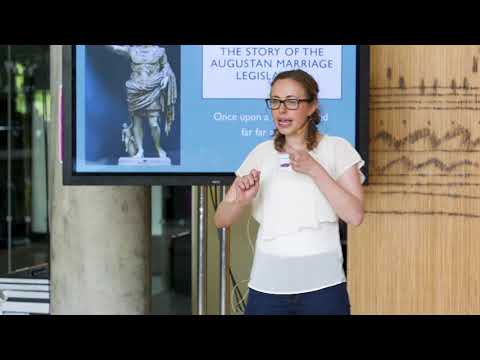
This research explores how narrative shapes legal understanding, applying narrative theory to Roman leges Iuliae marriage laws. By reinterpreting fragmented historical sources, it examines how legal storytelling influences both ancient and modern perspectives on law and marriage, offering a new framework for analysing legal systems through narrative structures.