This research examines whether air pollution affects risk-taking behaviour. Using survey data from 40,000 Indonesians and satellite pollution measurements, it shows that higher pollution levels make people more risk-averse. Because risk preferences influence education, careers, entrepreneurship, and innovation, cleaner air may improve both health outcomes and economic decision-making.
2026
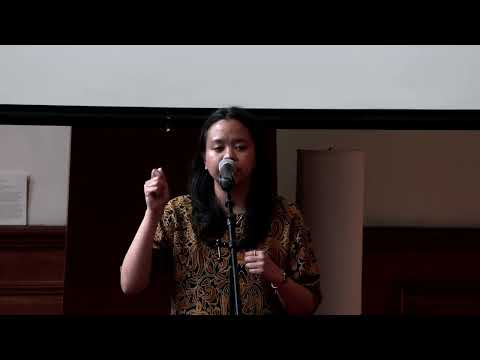
This research explores why former human traffickers in Indonesia stopped offending. Through interviews with ten ex-traffickers, the study found that marriage and parenthood often triggered moral transformation by creating empathy and shame. The findings suggest trafficking prevention should focus not only on punishment, but also on strengthening families and social bonds.
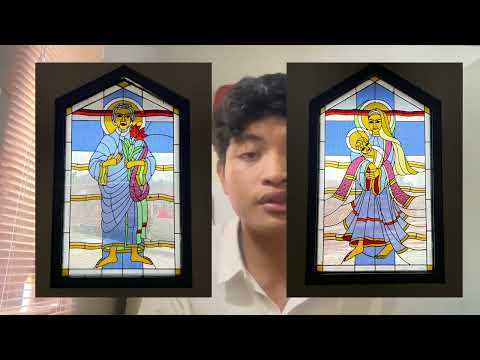
This study analyzes the iconography and meaning of stained glass in the altar of Saint Joseph Catholic Church in Medari, Indonesia. Using Panofsky’s iconographic method, it identifies the depiction of the Holy Family of Nazareth and explains how sacred imagery in altar spaces conveys symbolic, theological, and architectural significance.
This research explores using blockchain to secure land records in Indonesia, where fragile paper systems fuel disputes and injustice. By creating tamper-proof, transparent, and shared records, blockchain could restore trust in land ownership—while raising critical questions about digital access, inclusion, and equity.