This research investigates whether increasing female political representation affects labour market participation and education outcomes. Using electoral reforms in Italy as a natural experiment, the study finds that greater female representation increased workforce participation among working-age women while encouraging younger women to remain in education, demonstrating broader economic and social effects of political representation.

This research explores how knitting reshapes contemporary masculinity. Interviews with male knitters reveal more flexible, inclusive identities that challenge traditional norms. Participants describe increased emotional openness, acceptance, and alternative expressions of care. The study highlights how everyday practices like knitting can transform gender expectations and broaden definitions of masculinity.


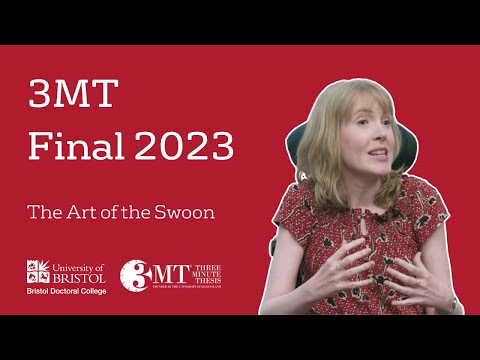
This research examines the cultural history of swooning, showing how it shifted from a masculine trait in medieval romance to a feminised one in early modern theatre. Analysing English plays, it reveals evolving anxieties about emotional expression and gender, offering insights into how social norms continue to shape perceptions of vulnerability today.

This ethnographic study examines how amateur football empowers women in Argentina and Brazil. Despite historical exclusion, participation helps women challenge gender norms, build confidence, and form supportive communities. Football becomes a pathway to broader social empowerment, offering insights for policies promoting gender equality through increased access to sport.

This research examines how Zambian women engage with a feminist Facebook page to challenge patriarchy online while navigating stigma offline. It reveals strategic identity negotiation, the use of social media for activism, and the difficulties of feminist expression in a conservative society, highlighting how digital spaces enable resistance despite offline constraints.