
This presentation examines the historical and continuing invisibility of Black women, connecting slavery with contemporary economic, workplace, religious and social inequalities. Drawing on personal experience, the speaker explores racism, patriarchy, domestic violence and Black motherhood, calling for employment equality, safer communities, solidarity and recognition of Black women’s humanity, dignity and contributions.
2026
This research examines bereavement among UK university students, finding that one in five surveyed met criteria for prolonged grief disorder and experienced significant academic disruption. University support is often difficult to access or poorly signposted. The findings call for grief-aware policies that better protect bereaved students’ wellbeing and educational futures.
This oral history project explores how Nigerian secondary schools shape political identity, civic engagement, and national belonging across generations. Through interviews and documentary storytelling, the research reveals that schools function as microcosms of the nation, forming students’ relationships to society, politics, and migration in ways that continue long after graduation.
This study explores barriers faced by school social workers in urban high schools. It finds that systemic factors—particularly funding, policy, and structural constraints—rather than individual or institutional issues, limit service provision. The research highlights the need for systemic reform and improved data to support effective student services.
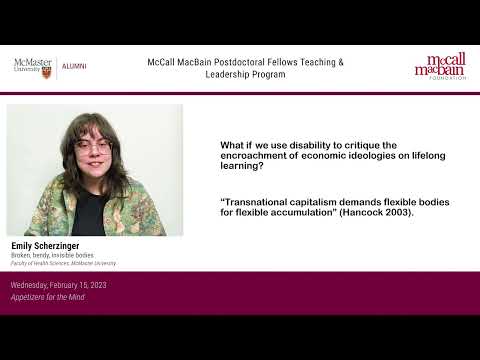
This talk critiques Western lifelong learning policies through a disability justice lens, arguing that education has been shaped by individualism and market value rather than collective care and inclusion. Drawing on personal experience with hypermobility, it reframes disability as a source of interdependence, imagination, and new educational possibilities.