
This thesis examined how adverse childhood experiences (ACEs) affect mental health and brain development. Using data from the ABCD Study, the researcher found that ACEs were linked to both mental health symptoms and a thicker prefrontal cortex. The findings suggest the brain may adapt to adversity, highlighting new questions about resilience.
This neuroscience research investigates how the human brain constructs and adapts goals. Using fMRI and a dynamic decision-making game, the study identifies neural activity in the prefrontal cortex and anterior cingulate cortex associated with goal selection, valuation, and adaptation. The findings may help develop AI systems better aligned with human goals.

This research explores how the hippocampus and prefrontal cortex communicate to support memory for sequences of events. By understanding how these brain regions track past, present, and future, the work aims to shed light on cognitive impairments seen in disorders such as Alzheimer’s disease and depression.

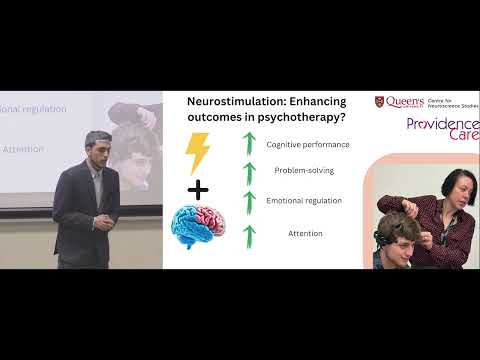
This research investigates transcranial electrical stimulation (tACS) as a non-invasive way to modulate prefrontal cortex activity in people with severe mental disorders such as schizophrenia. By measuring brain activity, cognition, and behavior, the study aims to identify conditions where tACS is effective and offer a safe, accessible therapeutic alternative.