
Nigeria’s international reputation can disadvantage entrepreneurs through a “liability of origin.” Interviews with 12 nation-branding practitioners and policymakers show that trust cannot be repaired quickly through slogans. Credible nation branding requires managing tensions between promises and delivery, and between demands for rapid reputational improvement and the slow pace of institutional reform.
2026
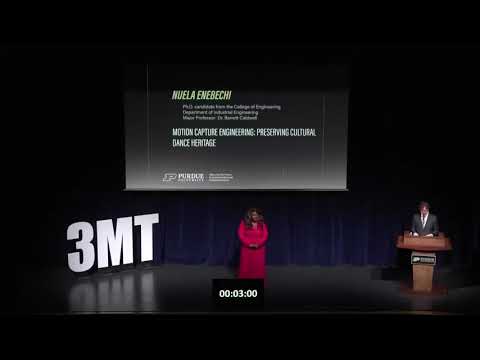
This research uses AI-powered markerless motion capture to preserve Indigenous cultural dances as digital archives. By recording thousands of movement data points, it safeguards intangible cultural heritage for future generations. The work aims to extend this technology globally, ensuring every culture has the tools to preserve its unique traditions.

This research investigates online gambling addiction among young Nigerians, examining how pervasive gambling advertising shapes behavior and mental health. By analyzing public service announcements and international policies, the study calls for targeted, youth-centered media interventions to promote responsible gambling and prevent harm, despair, and loss of life.

This research examines the cultural practice of burying umbilical cords in Nigeria’s Middle Belt, a region shaped by conflict and ecological crisis. Unlike Western views that treat the cord as waste, local traditions see land as a living repository of memory and identity, reframing human–land relationships as reciprocal and deeply interconnected.

This research uses agent-based modelling (ABM) to simulate infectious disease spread in regions like Nigeria, enabling policymakers to predict outbreaks, test interventions, and allocate limited resources proactively. The low-cost modelling approach supports governments with constrained budgets and offers a sustainable, data-driven tool for preventing large-scale infections and improving global public health.