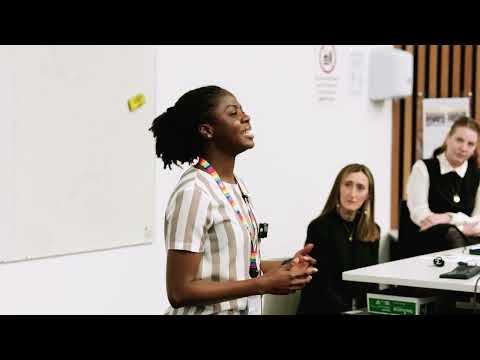
This research explores how to improve STI testing uptake within African and Caribbean communities in the UK. Using evidence reviews, interviews, and co-production workshops guided by the ACE framework, the project develops community-informed sexual health interventions designed to increase trust, accessibility, and acceptance of STI testing while reducing stigma and health inequalities.
2025
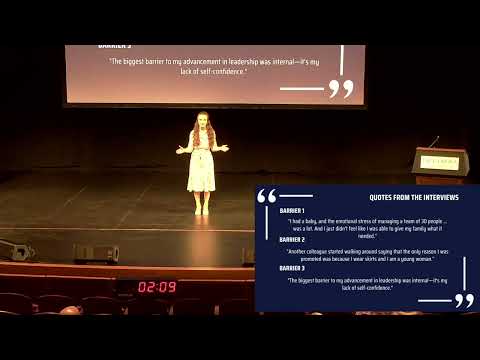
This research investigates barriers preventing women from advancing into leadership roles. Interviews reveal three key obstacles: family responsibilities, persistent gender bias, and internalized expectations of barriers. The study highlights how systemic challenges shape self-doubt and calls for collective responsibility in removing structural inequalities to unlock women’s leadership potential.
2025
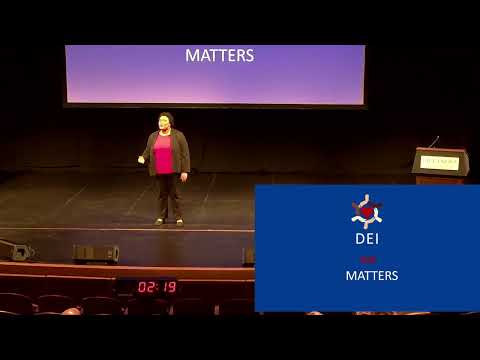
This study explores the challenges facing DEI practitioners amid rising political and organizational pressures. Interviews reveal widespread frustration but continued commitment, alongside burnout and lack of support. Findings highlight the need for standardized training, stronger professional communities, and collective engagement to sustain DEI efforts and ensure inclusive, supportive workplaces.
2025
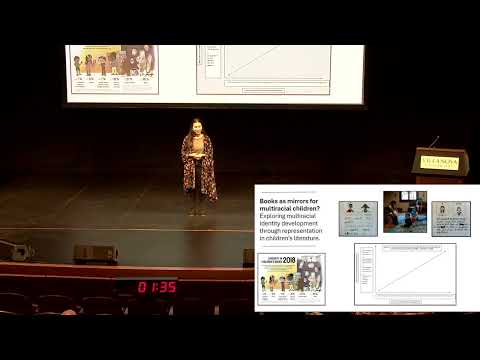
This study examines how multiracial representation in children’s literature influences identity development. Through a library reading program, observational, visual, and narrative data showed that multiracial children engage more deeply and express stronger identity integration when represented. Findings highlight the importance of inclusive storytelling in fostering belonging and supporting healthy racial identity formation.

This research explores how knitting reshapes contemporary masculinity. Interviews with male knitters reveal more flexible, inclusive identities that challenge traditional norms. Participants describe increased emotional openness, acceptance, and alternative expressions of care. The study highlights how everyday practices like knitting can transform gender expectations and broaden definitions of masculinity.
2016
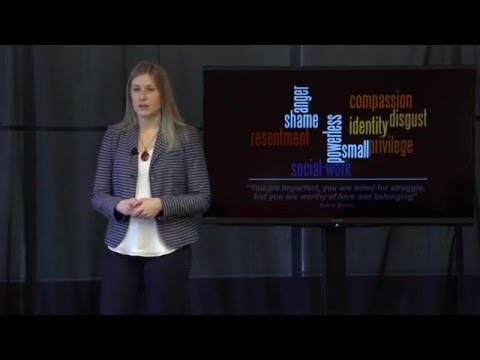
This research examines shame among social work students and its role in burnout. Interviews reveal key triggers: emotional coping struggles, perceived privilege, and societal stigma toward the profession. The findings highlight the need for training programs to address shame, improving well-being and enabling future social workers to better support their clients.
This research examines how families of the disappeared in Colombia and Mexico conduct their own searches when authorities fail. Using ethnography and legal analysis, it highlights their role as investigators and advocates. The work aims to improve policy, challenge marginalisation, and recognise families’ critical role in uncovering truth and justice.
This research examines the overlap between IBS and eating disorder–like behaviours, where conflicting dietary advice creates clinical uncertainty. By interviewing patients and providers, it identifies two distinct groups based on motivation for food restriction. The goal is to develop tools that improve nutrition counselling and support better, safer patient care.
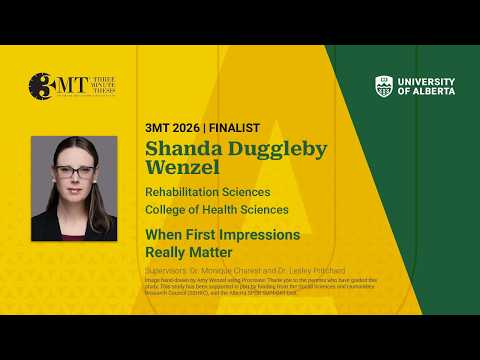
This research examines parents’ experiences of early speech and language assessments. It highlights emotional stress, inequities in access, and lack of diverse representation in existing research. By incorporating diverse parental perspectives, the study aims to inform resources, clinical practice, and policy to improve engagement and outcomes in speech therapy.
This research explores barriers immigrants face in accessing mental health care in Canada. It identifies cultural isolation and mismatched therapeutic approaches as key challenges. The study advocates for culturally competent care, shifting responsibility to providers through ongoing learning and adaptation, to improve accessibility, trust, and outcomes for immigrant communities.