This thesis examines the relationship between architecture and domestic violence, arguing that traditional ideas of home and privacy can obscure experiences of abuse. It proposes a memorial in Toronto that combines remembrance, advocacy, and community support, using architectural thresholds to promote awareness, healing, and survivor empowerment.


This research examines how resettlement housing often fails to foster community despite providing physical shelter. By focusing on culturally responsive design of shared spaces, it explores how environments can encourage interaction, trust, and belonging. The goal is to transform housing into socially cohesive communities through design that reflects real human behaviors and connections.

This research shows how urban design shapes daily mobility and social encounters. Access to shops and transport influences how often people travel, how long they stay out, and who they meet. Cities do not just organize movement—they also structure social segregation and diversity through spatial design.

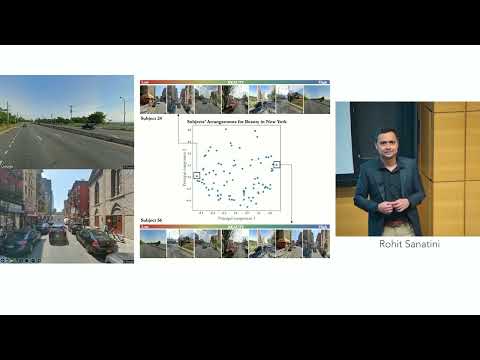
A cross-cultural study of urban beauty shows that perceptions vary widely across individuals. Using Google Street View images and participant rankings from 20 countries, the research found no shared standards of beauty and no demographic explanations. While individuals were internally consistent, beauty judgments were deeply subjective, challenging data-driven approaches to urban design.