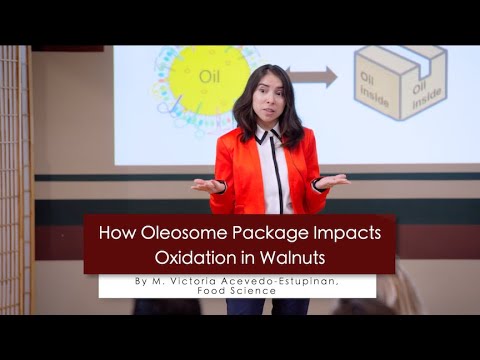
This research investigates oleosomes, natural oil-protecting structures found in plants, as a way to preserve healthy lipids against oxidation. Using walnuts as a model system, the study showed that intact oleosomes dramatically extend lipid stability and shelf life, potentially enabling healthier, more sustainable food products rich in beneficial fats.
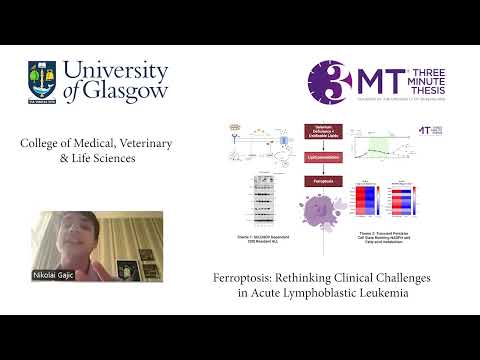
This research links two major treatment challenges in childhood acute lymphoblastic leukemia through ferroptosis, a lipid oxidation process regulated by selenium. By targeting selenium uptake in the brain and after chemotherapy, the work identifies potential new therapeutic strategies to reduce cancer cell survival and improve long-term treatment outcomes.
This research investigates unstable lipid oxidation products called epoxides, tracking how different fatty acids form them across various fats and oils. By improving detection and understanding of these pathways, the project supports better quality control in pet food and other lipid-based industries, helping reduce waste, extend shelf life, and promote sustainable practices.