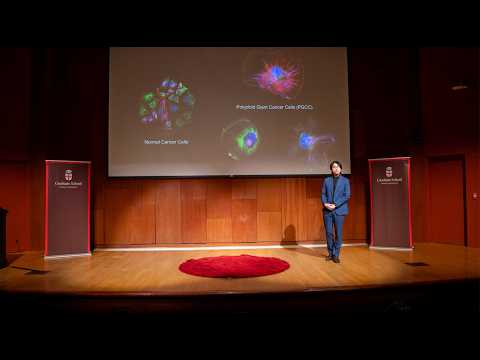
This research investigates polyploid giant cancer cells, a highly treatment-resistant population responsible for cancer relapse. By studying their structural biology and dependence on lipid metabolism, the work identifies metabolic vulnerabilities that can be targeted alongside chemotherapy, offering a promising strategy to eliminate resistant cancer cells and improve long-term treatment outcomes.
This research investigates how glioblastoma brain cancer cells invade healthy brain tissue. Using patient-derived tumor organoids and traction force microscopy, the study measures how cancer cells generate and apply forces to move through the brain. Understanding these invasion mechanisms could help develop therapies that slow tumor spread and improve patient survival.
Despite major advances in medicine, wound care has changed little in a century. This research explores how natural electrical signals in injured skin guide healing. By developing devices that mimic these signals, scientists aim to accelerate recovery and improve treatment for chronic wounds through bioelectric control of cellular behaviour.
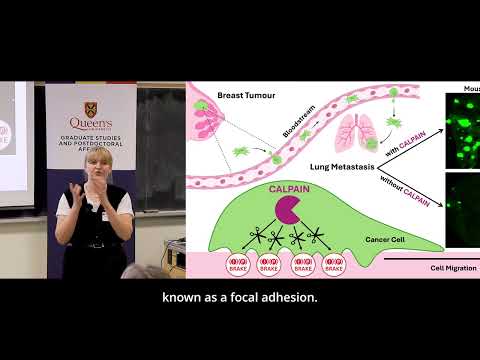
This research investigates how calpain, a protein that regulates cell movement, contributes to breast cancer metastasis. By disrupting calpain in tumor cells, researchers show reduced spread to the lungs in mouse models. Targeting calpain may improve combination therapies and offer new treatment strategies for metastatic breast cancer patients.