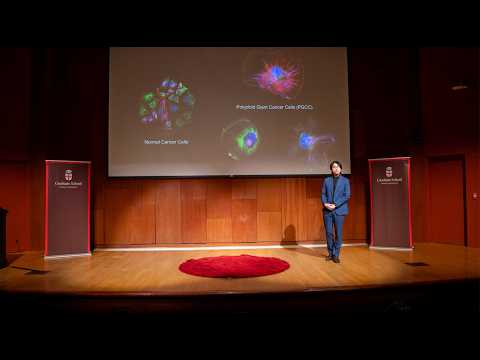
This research investigates polyploid giant cancer cells, a highly treatment-resistant population responsible for cancer relapse. By studying their structural biology and dependence on lipid metabolism, the work identifies metabolic vulnerabilities that can be targeted alongside chemotherapy, offering a promising strategy to eliminate resistant cancer cells and improve long-term treatment outcomes.

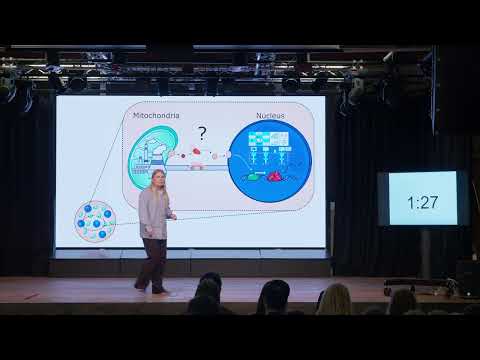
Mitochondria power cells and communicate with the nucleus to control gene expression. This research builds minimal artificial cells containing only mitochondria and nuclei to isolate this signaling pathway. The system reveals how mitochondrial dysfunction alters gene expression, offering new insight into mechanisms underlying cancer and neurological diseases.

Mitochondria are known as the cell’s powerhouses, but new research shows they also guide cell movement. Using advanced imaging, this work reveals how mitochondria control direction and speed of migrating cells. Understanding this process may explain wound healing and how cancer cells spread throughout the body.

Antibiotic-resistant bacteria like Salmonella cause millions of deaths worldwide. This research explores prohibitin 1, a mitochondrial protein, as an alternative defense. Mouse studies show that higher prohibitin 1 levels protect against bacterial infections, offering a potential non-antibiotic treatment to combat infections and reduce antibiotic resistance.

This research examines how real-world microplastics and nanoplastics affect human brain immune cells. Using plastics from everyday consumer items, it shows rapid cellular stress and mitochondrial damage linked to neurodegenerative disease. The findings suggest current laboratory studies may underestimate the true health risks of chronic plastic exposure.