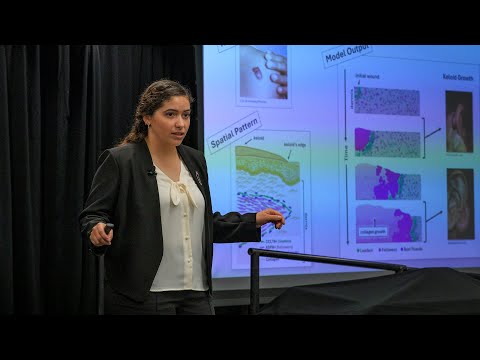
This research uses agent-based mathematical modelling to study keloid scar growth. By simulating interactions among collagen, immune cells, and key scar-associated cell types, the model predicts how keloids expand without requiring harmful patient experiments. The approach may guide future treatments for keloids and broader skin-healing conditions.
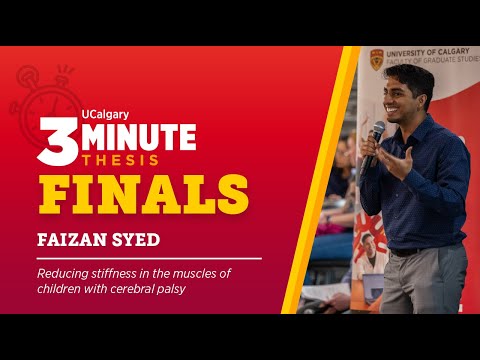
This research targets muscle stiffness in children with cerebral palsy by breaking down excess collagen in the muscle’s extracellular matrix. Treating muscle tissue with collagenase reduced stiffness by 50% without weakening muscle strength. The findings offer a promising step toward therapies that improve mobility, reduce pain, and enhance quality of life.

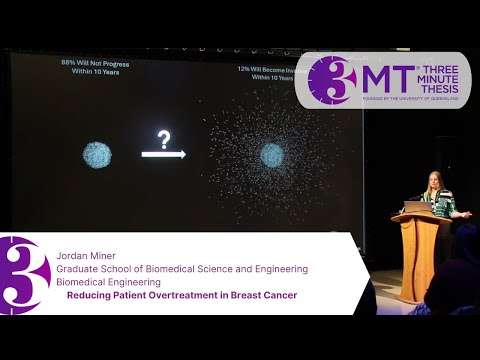
My research investigates collagen-binding receptors on breast cancer cells as potential biomarkers to distinguish harmless early-stage tumours from aggressive ones. Using genetically matched 3D cancer models, the project identifies how receptor activity affects invasion and collagen organization, aiming to reduce overtreatment and support clearer clinical decisions for early breast cancer patients.