This research combines focused ultrasound and engineered genetic circuits to activate cancer immunotherapy directly within solid tumors. By locally triggering immune-stimulating cytokines such as IL-12, the approach aims to convert “cold” tumors into “hot” tumors while minimizing systemic toxicity, potentially expanding curative immunotherapy treatments to more cancer patients.
This research develops synthetic genetic circuits that automatically alternate CAR T-cell activity between active cancer killing and recovery states. By preventing immune-cell exhaustion, these circuits could improve cancer immunotherapy effectiveness. The work also suggests broader biomedical applications where controlled cycling of gene activity may enhance treatment safety, longevity, and therapeutic performance.
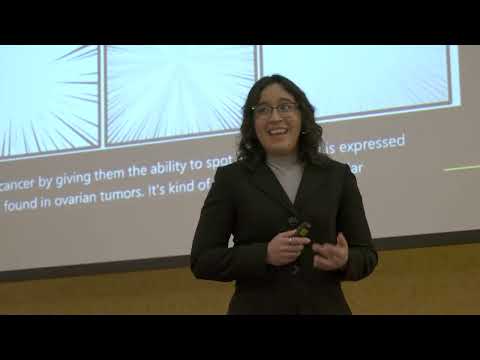
This research engineers immune T cells to better fight ovarian cancer. By modifying them to recognize tumor-specific proteins and resist cancer’s suppressive signals, the project strengthens the body’s natural defenses. The goal is to improve immunotherapy effectiveness, overcome tumor resistance, and increase survival rates for women facing this deadly disease.

This research examines how macrophages shift between tumor-fighting and tumor-supporting roles in breast cancer. By identifying signals in the tumor microenvironment and engineering molecular cues to promote tumor-destroying behavior, the work aims to reprogram immune responses and improve therapeutic outcomes for breast cancer patients.