
This research develops a method to deliver EGCG, a green tea compound known to break apart Alzheimer's-related protein tangles, into the brain. By chemically attaching EGCG to a carrier that can cross the brain's protective barrier, the project aims to create a potential therapeutic strategy for slowing memory loss and disease progression.
Epilepsy affects millions worldwide and can limit everyday activities. Some forms arise from genetic mutations in GABAA_AA receptors, disrupting the balance between brain excitation and inhibition. This research examines how these mutations reduce receptor levels and explores drug strategies to restore inhibition, paving the way for improved epilepsy treatments.
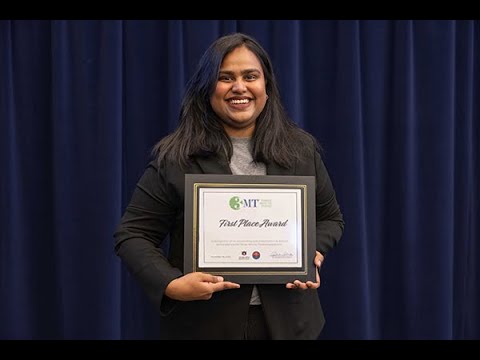
My research investigates AU403, a novel LXR agonist, as a potential treatment for frontotemporal dementia. Using mouse brain slice models, the study shows that AU403 restores damaged myelin, improves neuronal communication, and reverses disease-like symptoms, offering hope for a condition with no approved therapies.