
This research uses a high-throughput screening platform called EpiScan to identify HIV peptides that bind strongly to MHC molecules and appear on infected cell surfaces. By discovering these immune-visible targets, the work aims to improve detection and elimination of hidden HIV reservoirs, supporting the development of future HIV therapies.
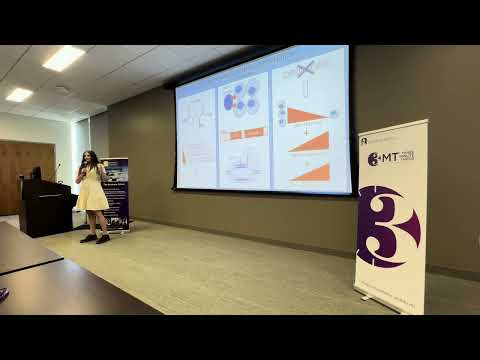
This research investigates how glutamine-rich regions within the LAG-3 protein influence Notch signaling, a critical pathway for cell communication and development. Using CRISPR gene editing, the study found that removing glutamine repeats alters stem cell behavior and cell-cycle progression, providing insights relevant to cancer, Alzheimer’s disease, and future therapies.

2026
This research investigates how misfolded Islet Amyloid Polypeptide (IAPP), a protein associated with Type 2 diabetes, affects blood clot formation. Laboratory experiments showed that misfolded IAPP creates unusually dense and resilient clots. These findings may help explain elevated cardiovascular risk in diabetes and identify new targets for preventing heart attacks and strokes.

This research develops a method to deliver EGCG, a green tea compound known to break apart Alzheimer's-related protein tangles, into the brain. By chemically attaching EGCG to a carrier that can cross the brain's protective barrier, the project aims to create a potential therapeutic strategy for slowing memory loss and disease progression.

2026
This research investigates how cells select which protein fragments, or peptides, to display to the immune system. Contrary to previous assumptions, peptide presentation appears highly curated rather than random. Understanding these selection rules could improve cancer immunotherapy, enhance antiviral treatments, and provide new insights into autoimmune diseases.

This research investigates how the olfactory system of the Spanish ribbed newt adapts between aquatic and terrestrial environments. By analyzing cellular and genetic changes in the nose, the study reveals remarkable sensory plasticity, offering broader insights into nervous system flexibility and potential implications for understanding neurodegenerative diseases such as dementia.

2026
This research investigates how glioblastoma brain cancer cells invade healthy brain tissue. Using patient-derived tumor organoids and traction force microscopy, the study measures how cancer cells generate and apply forces to move through the brain. Understanding these invasion mechanisms could help develop therapies that slow tumor spread and improve patient survival.

This research investigates feronia, a plant protein essential for heat adaptation. By studying how feronia regulates auxin signaling and plant growth under temperature stress, the work aims to uncover mechanisms that could support the development of heat-resilient crops, improving agricultural productivity and food security in a warming global climate.

Using a Twilight analogy, this research explains antibiotic-resistant bacteria as “vampires” protected by membranes. By crystallizing membrane proteins and analyzing them with X-ray techniques, the study reveals their structure and function. This enables precise drug design to block these proteins, potentially overcoming antibiotic resistance and targeting harmful bacteria more effectively.
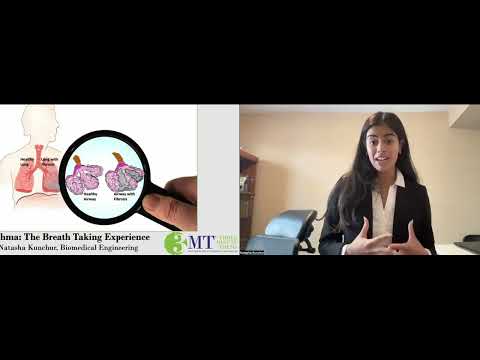
This research investigates asthma’s underlying mechanisms, focusing on airway fibrosis and the extracellular matrix. Using Raman spectroscopy, researchers generate molecular “barcodes” of lung tissue. Artificial intelligence is then applied to analyze complex data, aiming to identify key biological drivers of asthma and move beyond temporary treatments toward deeper understanding and potential long-term solutions.