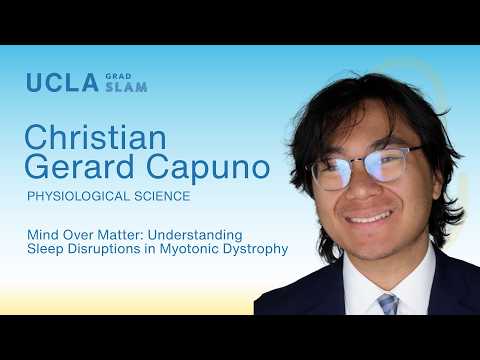
This research investigates the neurological causes of sleep dysfunction in people with myotonic dystrophy, a common multisystem muscular dystrophy. Using mouse models and brain activity monitoring, the study examines how diseased brains lose the ability to compensate for stress, providing new insights into sleep quality, cognition, and disease progression.
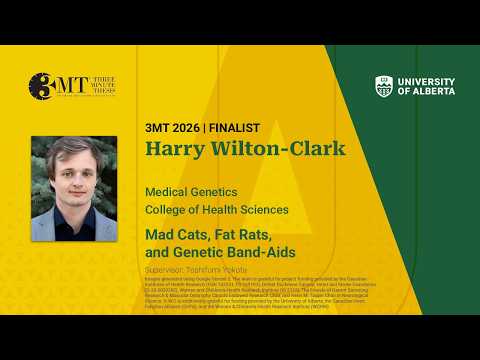
This research targets rare genetic diseases caused by frameshift mutations using antisense oligonucleotides as “genetic band-aids.” By masking faulty DNA segments, it restores functional protein production. Demonstrated in muscular dystrophy models, this approach offers a scalable strategy to treat multiple rare diseases, addressing a major gap where most conditions lack effective therapies.