
This research investigates how painted turtles survive months without oxygen through epigenetic regulation. By identifying gene-switching mechanisms, it aims to uncover biological strategies for extreme hypoxia tolerance. These insights could inform medical, environmental, and space applications, potentially extending human survival in low-oxygen conditions and advancing fields like transplantation and exploration.
2026
This research investigates the protein SLX4, a key coordinator of DNA repair. Using complementary techniques, it identifies 221 interacting proteins, most previously unknown. Findings reveal a complex network involved in genome maintenance, offering new insights into cellular repair mechanisms and improving understanding of diseases such as cancer.
This research targets rare genetic diseases caused by frameshift mutations using antisense oligonucleotides as “genetic band-aids.” By masking faulty DNA segments, it restores functional protein production. Demonstrated in muscular dystrophy models, this approach offers a scalable strategy to treat multiple rare diseases, addressing a major gap where most conditions lack effective therapies.
Cells maintain health by recycling damaged components through autophagy. This research identifies proteins that connect the endoplasmic reticulum to the growing autophagic membrane, enabling lipid transfer required for cellular waste removal. Understanding this mechanism helps explain how failures in cellular cleaning contribute to aging and diseases such as Alzheimer’s and Parkinson’s.
This research develops small-molecule treatments for chikungunya virus using a lock-and-key approach targeting viral proteins. A key challenge—molecular orientation (enantiomers)—was addressed with a new synthesis method producing over 95% effective molecules. The optimized compound, BDGR-651, shows promise as a future antiviral treatment for this debilitating disease.
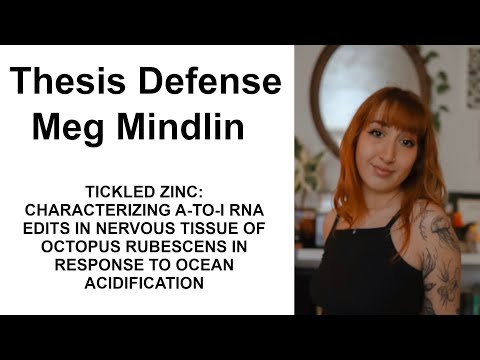
This thesis examines how octopuses respond to climate change at a molecular level, focusing on ocean acidification and RNA editing. Rising temperatures harm octopus reproduction, growth, and survival, while acidification produces mixed effects—some species show stress, yet others demonstrate resilience. Cephalopods overall appear more tolerant of acidification than fish, raising questions about the mechanisms behind this adaptability. Thousands of acidification-responsive edits disproportionately affect C2H2 zinc finger regulators, altering predicted binding targets, including nuclear pore components implicated in stress responses.
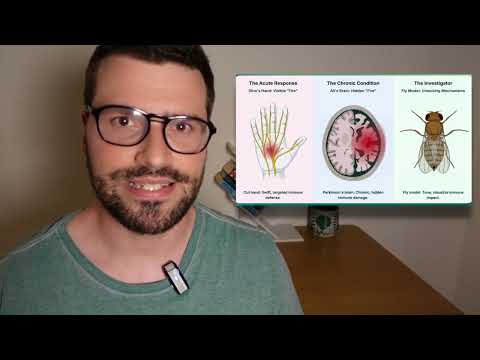
This research explores how immune-related cells and molecules, beneficial in wound healing, may become harmful in Parkinson’s disease. Using the fruit fly as a model organism, the study investigates which inflammatory processes contribute to brain damage. Early results suggest that excessive activation worsens degeneration, offering potential targets for future therapies.

This research investigates how a gonorrhea protein is processed in E. coli using cellular signal sequences, which act like "ZIP codes" directing the protein to its proper location. By identifying effective signal sequences, the study informs potential molecular targets for earlier detection and better treatment, aiming to prevent gonorrhea-related infertility and improve women's reproductive health.

This research investigates Large Granular Lymphocyte Leukemia, where protective T cells become cancerous. The project explores how DNA methylation silences normal T-cell function and tests drugs that reverse this process. By removing harmful chemical modifications, the goal is to restore immune cells to their healthy, protective “superhero” role.

Cancer often becomes resistant to treatment due to the protein CDK8, which helps reprogram cancer cells. Traditional inhibitors fail because CDK8 still acts as a structural scaffold. This research develops targeted degraders that use the cell’s recycling system to eliminate CDK8 entirely, preventing resistance and improving future cancer therapies.