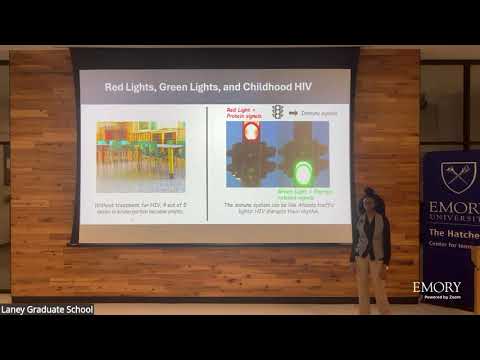
This research investigates how HIV disrupts the developing immune system in early life. Using a baby monkey model of HIV infection, the study identifies immune signals that either promote or limit infection spread. The findings could guide new immune-targeted therapies that improve survival and long-term outcomes for children living with HIV.
2026
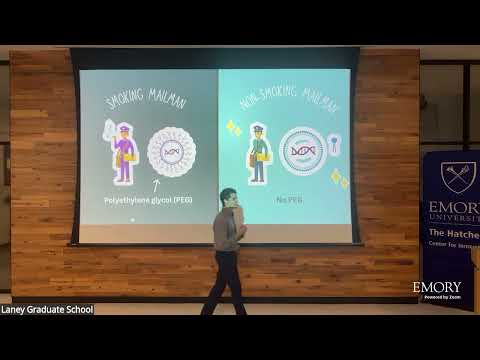
This research develops a novel PEG-free lipid nanoparticle for gene therapy. Unlike conventional nanoparticles, which trigger immune responses after repeated use, the new formulation remains stable without PEG and performs even better. The approach could enable safer repeat dosing, improve treatment effectiveness, and expand access to life-changing gene therapies.
2026
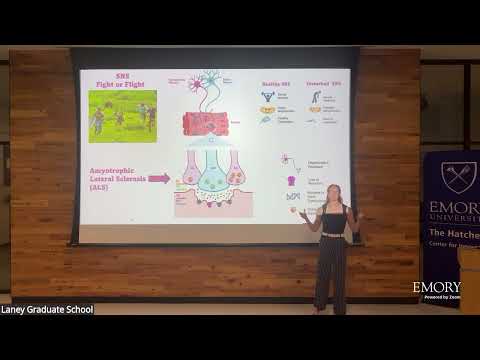
This research shows that the sympathetic nervous system is disrupted at the earliest stages of ALS, despite sympathetic neurons themselves remaining intact. Early loss of signalling receptors may contribute to muscle degeneration and disease progression, identifying new opportunities for earlier diagnosis and therapies that preserve muscle function and improve patient outcomes.
2026
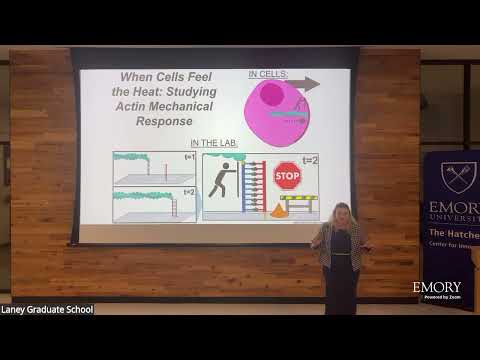
This research investigates how mechanical forces regulate cell movement using a novel DNA-based force probe. By measuring the force required to halt actin growth, it provides new insights into the mechanics of cell migration. The findings could ultimately help develop strategies to prevent cancer metastasis by controlling tumour cell movement.
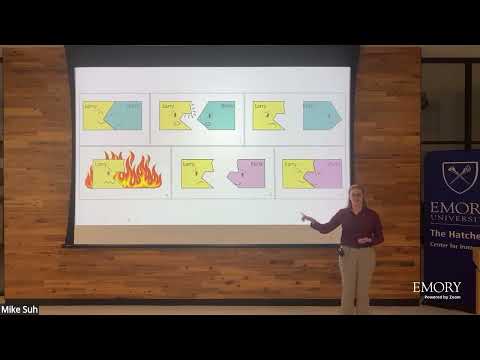
This research investigates how antiviral drug resistance develops by examining structural changes in viral proteins. Using protein crystallography, it identified why SARS-CoV-2 mutations prevent Paxlovid binding and discovered two compounds capable of inhibiting resistant viruses. The findings could guide development of more effective antivirals against future drug-resistant viral infections.
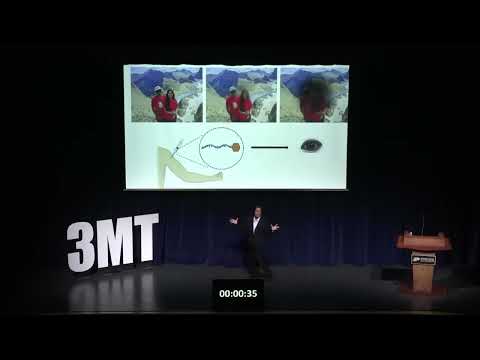
This research develops a targeted anti-VEGF therapy for wet age-related macular degeneration that can be injected under the skin rather than directly into the eye. In animal studies, the drug successfully reached the eye and reduced abnormal blood vessel growth, offering a safer, cheaper, and more convenient treatment for preventing blindness.

2025
This research introduces the first simple mathematical model capable of capturing the cooperative folding of alpha helices, a fundamental protein structure. By revealing how these proteins fold, stabilize, and misfold, the model offers new insights into diseases such as Alzheimer's and Parkinson's while providing a fast, flexible platform for protein research.
2026
This research investigates how Pseudomonas aeruginosa adapts to drinking water systems before causing human infections. By identifying a previously unknown gene essential for biofilm formation and survival, the work provides new insight into how dangerous bacteria prepare for infection and reveals potential targets for preventing disease before it develops.
2025
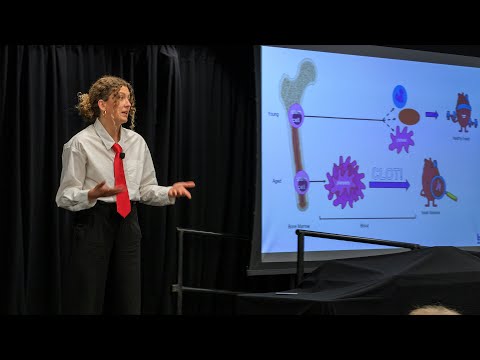
This research investigates how aging changes blood stem cells, causing them to produce excess sticky platelets that increase the risk of heart attack and stroke. By identifying the genetic mechanisms behind this age-related shortcut, the work aims to develop therapies that reduce cardiovascular disease while improving healing in patients with low platelet counts.

This research investigates how lung mucus and its mucin molecules defend against Coccidioides, the fungus that causes Valley fever. By showing that mucins slow fungal growth, the work suggests mucus shapes infection before symptoms appear, opening new possibilities for earlier diagnosis and treatments against Valley fever and other infectious diseases.