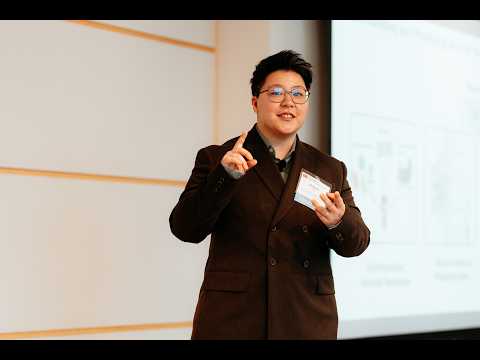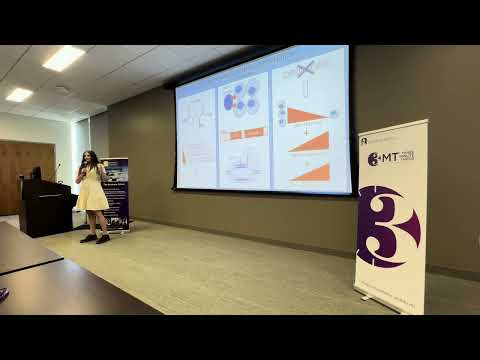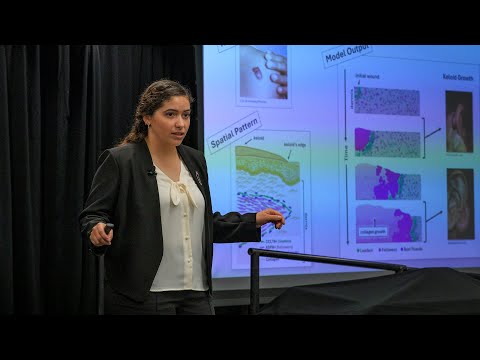
This research develops a novel MRI-based method to detect blood–brain barrier leakage associated with stroke. By comparing pre- and post-contrast brain images, the approach enables early detection, monitoring of treatment response, and risk prediction, offering new possibilities for stroke prevention and improved patient outcomes

This research develops a nanoparticle-based diagnostic test for thrombotic thrombocytopenic purpura (TTP), a rare and deadly blood disorder. By enabling fast, affordable detection of the ADAMTS13 enzyme, the system could allow earlier diagnosis, timely treatment, and improved survival while inspiring new approaches to rare disease diagnostics.

This research shows that disrupting the circadian clock in gut cells increases susceptibility to obesity. Experiments in mice reveal that misaligned internal clocks impair metabolic regulation, leading to greater fat accumulation. The findings highlight that meal timing is as important as diet composition and suggest circadian clocks as therapeutic targets.

This research investigates how the human microbiome protects against Streptococcus pneumoniae. Focusing on Streptococcus mitis, it shows how beneficial bacteria detect chemical signals from pathogens and block infection. Understanding when this microbial “security system” succeeds or fails may lead to new strategies for preventing disease.

The speaker studies polycystic kidney disease by identifying missing or damaged proteins that destabilize the kidney’s filtration network. Using BioID and mass spectrometry, they map healthy versus diseased protein interactions to pinpoint weak spots. This work aims to enable targeted therapies and personalised treatments for PKD patients.

Migraine affects over 10% of people and disproportionately impacts women. This research studies sex differences in brain circuits using mouse models to understand why. By manipulating neural pathways, findings show certain circuits trigger migraine-like sensitivity only in females. Mapping these circuits may enable personalized, more effective migraine treatments.

PCBs, toxic “forever chemicals” found in older school buildings, accumulate in body fat and trigger harmful inflammation. This research shows that PCB-exposed fat cells recruit excessive immune cells, creating an uncontrolled inflammatory response that contributes to obesity and diabetes. Understanding this mechanism opens pathways for treatments targeting fat–immune cell communication.

This research maps how drugs travel from the cerebrospinal fluid into the brain, offering an alternative to the blood–brain barrier for treating Alzheimer’s disease. Using mouse models, the study identifies specific drug-entry routes and differences in drug penetration, paving the way for targeted, efficient therapies guided by a “Google Brain Map” of delivery pathways.

Obesity and type 2 diabetes weaken bones, increasing fracture risk. This research uses animal models of lean, obese, and diabetic conditions to examine how these diseases affect bone strength. By identifying the mechanisms behind bone fragility, the study aims to guide future dietary and therapeutic strategies to protect bone health in affected populations.

Migraine affects over a billion people, yet its cellular mechanisms remain unclear. This research studies how CGRP-blocking drugs interact with two key receptors—CGRP and AMY1—to understand why treatments help some patients but not others. The findings may guide development of more effective, targeted migraine therapies and reduce debilitating attacks.