This research aims to improve literacy for deaf people by developing a practical writing system for sign languages. Because most sign languages lack a standard written form, deaf learners often struggle with written English. The project creates readable sign-language texts and tests whether they can support literacy in deaf communities worldwide.
This research investigates cognitive diversity in software engineering. Through eye-tracking and think-aloud studies, it shows that engineers approach problems differently, while existing software tools often favour particular thinking styles. Designing more inclusive tools could improve performance, broaden participation in decision-making, and reduce unintended bias in the technologies we build.
This research teaches AI to understand and generate the sense of touch by combining visual information with high-resolution tactile data. The technology enables realistic digital textures, improves online shopping, enhances virtual experiences, and creates accessible tactile graphics for blind and low-vision users, making AI more inclusive and human-centred.
This talk explores red light laser therapy as an accessible recovery approach for minor brain injury. Using a portable device applied to eight head areas, the research tracks fatigue, pain, attention, memory, brain activity and saliva markers. Early participants showed improved symptoms, suggesting promise for practical, inclusive brain health support.
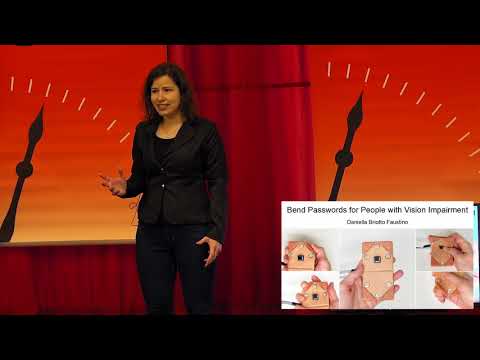
This research addresses password accessibility challenges for people with vision impairment. It examines current difficulties and introduces “bend passwords,” a tactile input method using flexible devices. Early findings suggest they are secure and memorable. The work aims to develop inclusive authentication systems that improve digital security and usability for visually impaired users.
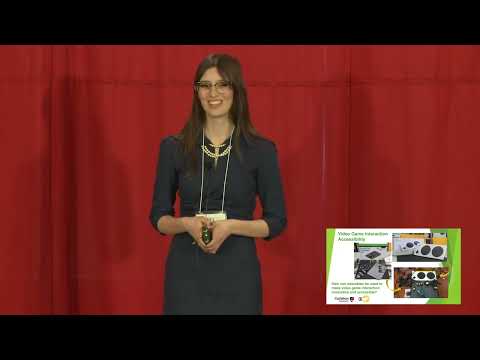
This research explores how wearable technology can improve video game accessibility for players with upper limb disabilities. Through interviews, it develops design guidelines emphasizing flexibility, independence, and modularity. The project aims to build and test prototypes, advancing inclusive gaming design and ensuring disabled players are better represented in interactive technology development.
This research examines how older adults manage indoor environmental conditions while aging in place. It highlights the importance of “adaptive opportunities,” such as adjusting surroundings or behavior, and identifies barriers like mobility and cost. The goal is to develop practical strategies to improve comfort, health, and independence for aging populations at home.
This thesis introduces Armando, a low-cost soft robotic gripper with proprioceptive sensing using a single flexible capacitive sensor and neural-network decoding. Achieving 99% accuracy, Armando enables precise finger-position estimation for applications in prosthetics, assistive care, and disaster response, advancing accessible tactile robotics inspired by human touch.
Digital health expanded during COVID-19, but many services exclude people seeking support for alcohol and drug use. This research uses inclusive design, interviews, and workshops with people with lived experience to identify barriers, reduce stigma, improve usability, and guide industry toward creating accessible, equitable digital care for all.
My research improves brain–computer interfaces for children with disabilities by reducing the repetitive calibration needed before use. Using transfer learning and a team-selection algorithm, data from other users help personalise the system, cutting calibration by up to 90%. This makes creative activities like painting more accessible, enjoyable, and sustainable.
Pagination
- Page 1
- Next page