This research investigates the genetic mechanisms underlying polycystic ovary syndrome (PCOS), a condition affecting one in ten women and the leading cause of female infertility. By studying thousands of genetic variants across multiple cell types, the project aims to identify the biological causes of PCOS and develop targeted treatments.

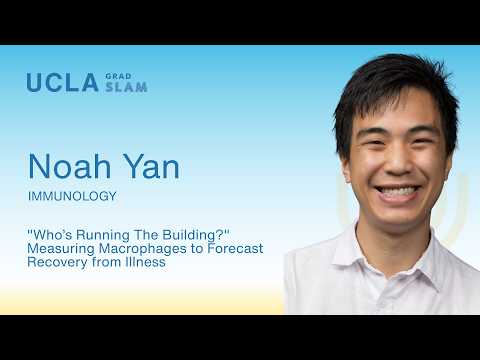
This research investigates macrophages, immune cells that regulate infection, tissue repair, and cancer responses. Through laboratory experiments and machine-learning models, it aims to predict macrophage function across different diseases and patients. The work could improve prognosis, guide treatments, evaluate drug safety, and forecast recovery following major illnesses and injuries.

This research examined how COVID-19 viral loads change over time across saliva, throat, and nasal samples. The study found that different sample types detect infection at different stages, demonstrating that testing method matters. These findings could improve diagnostic strategies for COVID-19, influenza, RSV, and future emerging respiratory viruses.

This research uses spatial transcriptomics to map interactions between T cells, cancer cells, and immunosuppressive cells in tumours. Findings suggest cancer suppresses immune responses by surrounding and weakening T cells. The work aims to improve immunotherapy and enable personalised cancer treatment through detailed tumour mapping.


This research engineers immune T cells to better fight ovarian cancer. By modifying them to recognize tumor-specific proteins and resist cancer’s suppressive signals, the project strengthens the body’s natural defenses. The goal is to improve immunotherapy effectiveness, overcome tumor resistance, and increase survival rates for women facing this deadly disease.

Mitochondria are known as the cell’s powerhouses, but new research shows they also guide cell movement. Using advanced imaging, this work reveals how mitochondria control direction and speed of migrating cells. Understanding this process may explain wound healing and how cancer cells spread throughout the body.

Respiratory Syncytial Virus (RSV) hospitalises thousands of children each year, yet effective treatments remain unavailable. This research investigates a critical protein–protein interaction that enables RSV infection. By identifying and disrupting key molecular binding sites using AI, the work aims to support the development of targeted antiviral therapies for severe RSV.