This research examines how maternal self-efficacy develops during matrescence, the transition to motherhood. Through interviews with new mothers and analysis of the SPACE programme, it shows that confidence in parenting grows not from perfection but from supportive environments, highlighting the need to rebuild community support for new mothers.
This research explores how autoimmune disease affects identity in young adults. Interviews with 25 New Zealanders revealed that diagnosis reshapes identity, relationships with the body, and perceptions of disability. The findings suggest that supporting identity—not just treating disease—could improve health behaviours, wellbeing, and long-term outcomes for people with autoimmune conditions.
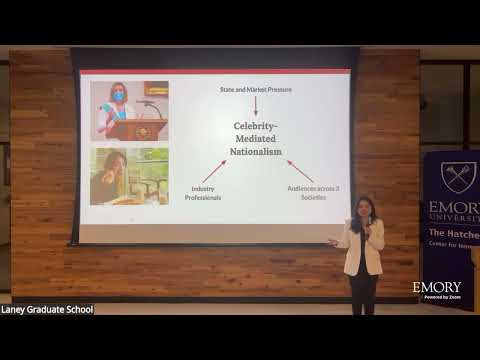
This research examines how nationalism is embedded in China's entertainment industry, where celebrities become vehicles for political messaging. Through archival research, industry interviews, and audience surveys, it shows that nationalism persists through everyday normalisation rather than belief, offering broader insights into the growing intersection of politics, popular culture, and identity.
Nigeria’s international reputation can disadvantage entrepreneurs through a “liability of origin.” Interviews with 12 nation-branding practitioners and policymakers show that trust cannot be repaired quickly through slogans. Credible nation branding requires managing tensions between promises and delivery, and between demands for rapid reputational improvement and the slow pace of institutional reform.
This research examines how changing reproductive laws affect access to IVF following the Alabama embryo personhood ruling. Using interviews, observation, and policy analysis, it reveals how legal uncertainty threatens fertility treatment, reproductive autonomy, and healthcare access, while informing policies that better protect reproductive rights and family-building opportunities.
This research examines why AI adoption often fails in medium-sized businesses despite significant investment. By interviewing employees and leaders, it develops a practical framework that treats AI as a new colleague requiring onboarding, trust, and cultural integration. The findings will help organisations implement AI more successfully and improve long-term adoption.
This study explores how mindfulness can support student-athlete well-being in high-pressure sporting environments. Through interviews, course analysis, and coaching reflections, the research found that mindfulness strengthens personal agency, emotional regulation, and holistic self-identity. The findings informed the development of a mindfulness-based curriculum for athletes and coaches.
This research explores why former human traffickers in Indonesia stopped offending. Through interviews with ten ex-traffickers, the study found that marriage and parenthood often triggered moral transformation by creating empathy and shame. The findings suggest trafficking prevention should focus not only on punishment, but also on strengthening families and social bonds.
This oral history research explores silence as a meaningful form of communication rather than an absence of speech. Through documentary interviews with family members, the project examines how silence can express fear, shame, power, and agency, challenging dominant assumptions about listening and revealing how discomfort often prevents deeper understanding and connection.
This research explores how to improve STI testing uptake within African and Caribbean communities in the UK. Using evidence reviews, interviews, and co-production workshops guided by the ACE framework, the project develops community-informed sexual health interventions designed to increase trust, accessibility, and acceptance of STI testing while reducing stigma and health inequalities.
Pagination
- Page 1
- Next page