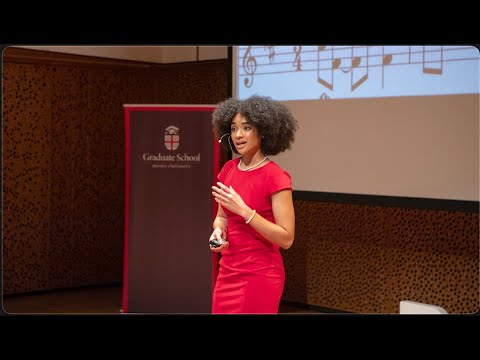
This oral history research explores silence as a meaningful form of communication rather than an absence of speech. Through documentary interviews with family members, the project examines how silence can express fear, shame, power, and agency, challenging dominant assumptions about listening and revealing how discomfort often prevents deeper understanding and connection.

This dissertation reinterprets the French Revolution through the lens of care ethics, analysing the writings of Mary Wollstonecraft and Sophie de Grouchy. The research argues that these thinkers anticipated modern theories of care, interdependence, and gender equality, offering early proto-feminist visions of social institutions grounded in community and mutual responsibility.

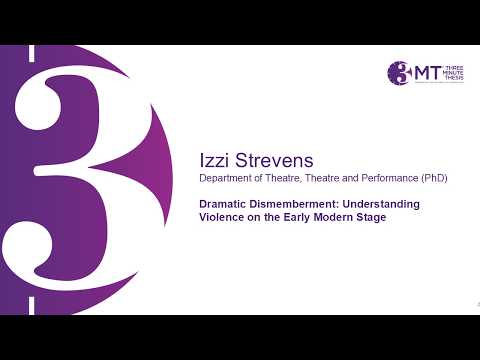
This research examines dismemberment in early modern drama to explore how cultural systems shape human responses to violence. By analysing plays such as Titus Andronicus, the project argues that fear and disgust are historically conditioned rather than purely instinctive, revealing how societies teach audiences to interpret violent imagery across different historical periods