This research investigates how the brain makes decisions under uncertainty by studying mice navigating reward-based mazes. Rather than relying on memorisation, mice continually update mental models through active exploration. These findings improve our understanding of anxiety disorders and may inspire more adaptive artificial intelligence systems.
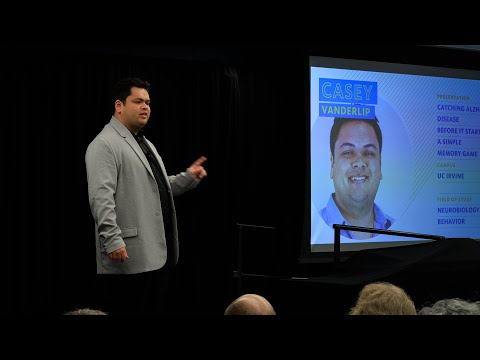
This research has developed a five-minute smartphone memory test that detects subtle cognitive changes associated with early Alzheimer's disease. The tool identified symptom-free individuals with underlying disease and predicted future cognitive decline, outperforming expensive brain scans while offering a simple, accessible, and affordable approach to early diagnosis.
This talk explores red light laser therapy as an accessible recovery approach for minor brain injury. Using a portable device applied to eight head areas, the research tracks fatigue, pain, attention, memory, brain activity and saliva markers. Early participants showed improved symptoms, suggesting promise for practical, inclusive brain health support.
This research investigates how the olfactory system of the Spanish ribbed newt adapts between aquatic and terrestrial environments. By analyzing cellular and genetic changes in the nose, the study reveals remarkable sensory plasticity, offering broader insights into nervous system flexibility and potential implications for understanding neurodegenerative diseases such as dementia.
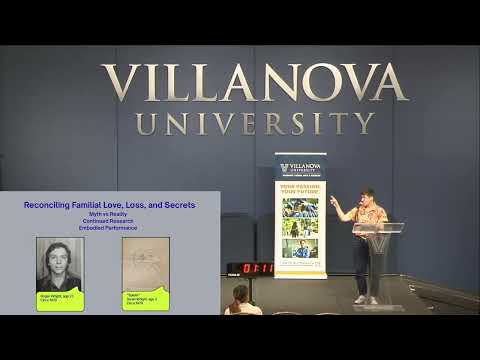
This oral history research explores silence as a meaningful form of communication rather than an absence of speech. Through documentary interviews with family members, the project examines how silence can express fear, shame, power, and agency, challenging dominant assumptions about listening and revealing how discomfort often prevents deeper understanding and connection.
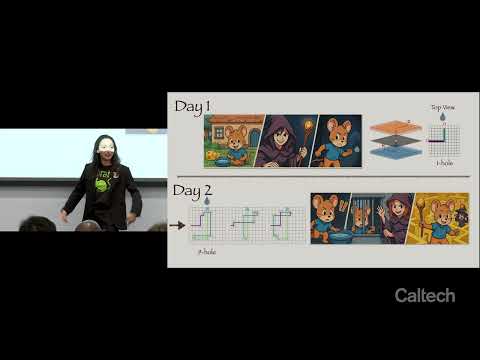
This research uses the Manhattan maze to study rapid learning and memory in mice. The study demonstrates that mice can acquire complex navigation sequences after only a few rewards, retain memories overnight, and generalize learned strategies to new mazes. The findings provide insights into few-shot learning, memory formation, and adaptive intelligence.
A rediscovered childhood drawing sparked an exploration of a deceased uncle’s life through his writings and letters. The research reveals themes of secrecy, sexuality, and isolation, raising intergenerational questions about identity, family, and belonging. This personal and archival investigation forms the basis of a solo play examining memory, legacy, and self-understanding.
This research explores “emotional infrastructure” in cities—small, often overlooked traces like graffiti and stickers that foster connection and belonging. It argues that urban experience is shaped not just by physical structures but by shared emotional signals, urging people to break out of digital isolation and engage with the lived environment around them.
This research shows that pauses in information streams alter decision-making. After a break, the brain increases effort, giving greater weight to subsequent information—a “peak-after-break” effect. A computational model explains this as a performance-effort tradeoff. Findings challenge traditional theories and suggest strategic pauses can shape attention, memory, and judgment.
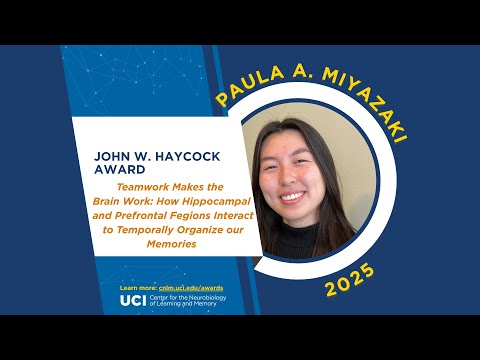
This research explores how the hippocampus and prefrontal cortex communicate to support memory for sequences of events. By understanding how these brain regions track past, present, and future, the work aims to shed light on cognitive impairments seen in disorders such as Alzheimer’s disease and depression.
Pagination
- Page 1
- Next page