
This research develops orally administered nanoparticles that target the lymphatic system to treat lupus and osteoporosis simultaneously. By delivering drugs directly to affected tissues while avoiding the bloodstream, the approach reduces toxicity, suppresses inflammatory and bone-damaging genes, and offers a more effective strategy for treating these complex chronic diseases.

This research develops orally administered nanoparticle therapies for metronomic chemotherapy in ovarian cancer. By delivering smaller drug doses directly to tumours over extended periods, it aims to reduce side effects, overcome drug resistance, improve patient quality of life, and make long-term cancer treatment easier and more effective.

This research investigates whether the diabetes drug dapagliflozin (DAPA) can be repurposed to treat metabolic dysfunction-associated steatotic liver disease (MASLD). Using laboratory models, it examines fat accumulation and NHE1 ion channel function, aiming to develop a cost-effective treatment for two closely linked metabolic diseases with one existing medicine.

This research develops gold nanoparticles coated with peptides to block DNA repair in colorectal cancer cells, helping overcome drug resistance. Laboratory studies show the treatment dramatically reduces cancer cell survival after radiation while minimising toxicity. The approach could provide a safer, more effective therapy for colorectal cancer and other drug-resistant cancers.
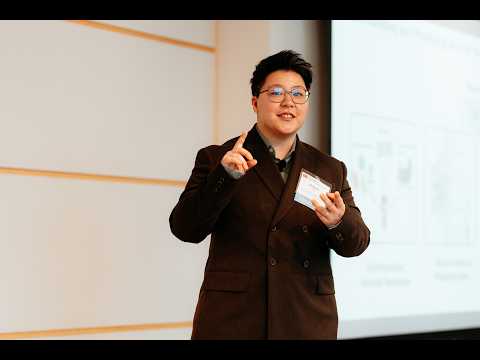
This research uses artificial intelligence to analyse immune-system data and predict vaccine effectiveness. By identifying early biological signals associated with strong, long-lasting immunity, the work aims to improve vaccine design, personalise vaccination strategies, and support development of universal vaccines capable of protecting against rapidly evolving infectious diseases.

This thesis examines cytokine release storm, where the immune system becomes dangerously overactive. Using rat models, mathematical modelling, science and coding, she maps how corticosteroids move through organs and control inflammation. The goal is to optimise treatment for CRS during cancer therapy, COVID or future pandemics.

2026
This research investigates whether weight loss from the GLP-1 drug semaglutide includes loss of muscle mass. Using an obesity mouse model and direct muscle measurements, the study found significant muscle loss in females but not males. The findings highlight important sex differences and the need to evaluate body composition, not just weight loss.
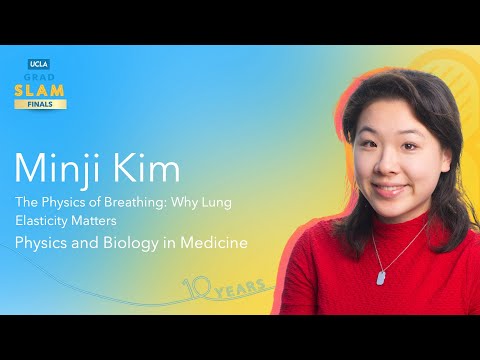
This research develops a physics-based method for measuring lung elasticity from medical imaging to predict which emphysema patients will benefit from lung valve treatment. By creating detailed elasticity maps, the work aims to improve treatment selection, enhance patient outcomes, and provide new quantitative tools for assessing lung health.

This research develops an AI model that combines thyroid ultrasound imaging with genetic testing to improve diagnosis of indeterminate thyroid nodules. By integrating molecular and imaging data, the model helps distinguish benign from cancerous nodules more accurately, reducing unnecessary surgeries and improving clinical decision-making for thyroid cancer patients.

This research develops soft, tissue-like implantable sensors capable of monitoring molecular signals inside the body in real time. By combining high-performance electronics with flexible, biocompatible materials, these devices could detect inflammation, stress, or organ damage before symptoms arise, enabling earlier diagnosis and more personalized healthcare.