This research develops quality control standards for fibre-reinforced polymer (FRP) bridge reinforcement, a corrosion-resistant alternative to steel. By testing FRP materials under extreme conditions, the work helps make long-lasting, rust-free bridges a reliable construction standard, reducing maintenance costs, extending bridge lifespans, and improving infrastructure resilience in coastal environments.

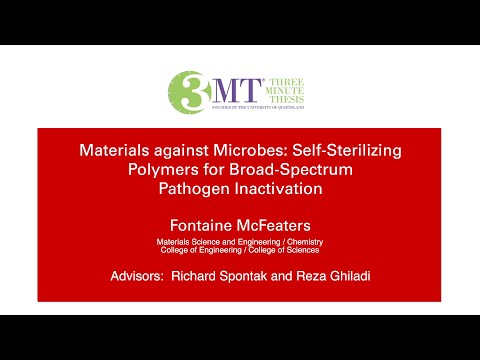
This research develops self-sterilising polymer coatings that become highly acidic when exposed to moisture, rapidly destroying harmful bacteria such as MRSA and E. coli. Designed for hospitals, classrooms, and other high-contact surfaces, these materials could reduce infections without harsh chemicals, helping prevent the spread of antibiotic-resistant bacteria.

This research develops microscopic copper wire "bridges" that improve heat transfer between computer chips and cooling systems. By reducing chip temperatures by around 3°C, the technology can lower data centre cooling energy by approximately 10%, improving efficiency and supporting more sustainable AI infrastructure.

This research develops intelligent polymer membranes that selectively capture carbon dioxide using molecular simulations to design highly efficient gas-separation materials. By improving carbon capture at industrial sources, the technology could reduce greenhouse gas emissions, support cleaner energy systems, and contribute to tackling one of the world's greatest challenges: climate change.

This research develops a low-temperature carbon-capture material that uses waste heat from solar panels to release captured CO₂. By reducing energy requirements from hundreds of degrees to just 70°C, the technology offers a more sustainable, scalable, and grid-independent approach to carbon capture and long-term climate-change mitigation.

This research investigates how the structure of comb polymers influences their ability to stabilize materials in applications ranging from fragrances and food products to wastewater treatment and drug delivery. By systematically modifying polymer architecture, the study identifies design rules that enable more effective, affordable, and targeted performance across diverse industrial and medical uses.

This research develops antibacterial nanostructured surfaces inspired by natural materials such as cicada wings. The engineered surfaces physically rupture bacteria using nanoscale needle-like structures, avoiding traditional antibiotics and reducing the likelihood of antibiotic resistance. The technology could improve infection control in medical devices, implants, and hospital environments.

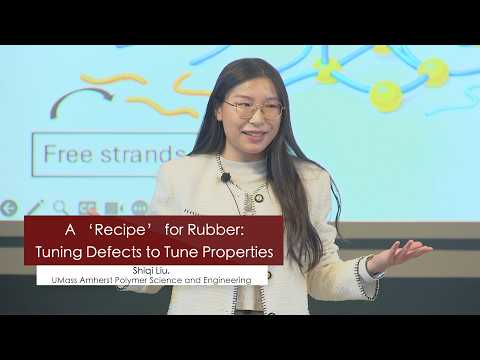
This research investigates how microscopic structural defects affect the performance of rubber materials. By creating nearly defect-free polymer networks and introducing controlled flaws individually, the work isolates how each defect changes material behavior. The findings could improve the design of stronger, safer, and more reliable rubber products used across industry and medicine.


This research develops a new chemical process for modifying cellulose while keeping it in water, overcoming longstanding compatibility problems between cellulose and oil-soluble molecules. The method enables cellulose to incorporate electronic and pharmaceutical components, opening pathways toward sustainable electronics, advanced materials, targeted medicines, and greener technologies based on renewable natural resources.

This research explores converting CO₂ into fuel by designing surfaces that promote carbon–carbon bonding. Using porous materials to concentrate CO₂, it increases reaction efficiency and enables formation of longer hydrocarbon chains. This approach could transform atmospheric carbon into usable fuels, offering a sustainable pathway for future energy production.