This research develops a new method for high-resolution 3D printing of metals such as copper. Instead of laser melting, ultraviolet light forms hydrogel structures that are chemically transformed into metal. The technique enables finer features, reduced waste, and fabrication of advanced materials for applications including batteries, structural engineering, and manufacturing.

This research investigates the century-old Invar effect in iron–palladium alloys under extreme pressure. Using synchrotron experiments and thermodynamic analysis, the study shows that magnetic entropy and vibrational entropy precisely counterbalance each other, eliminating thermal expansion. The findings reveal strong spin-phonon coupling as a key mechanism underlying pressure-induced Invar behavior.

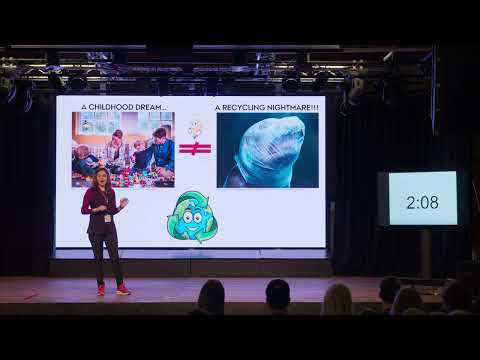
Plastic is indispensable yet environmentally damaging, especially when recycling increases tool wear in manufacturing. This research develops optimized PVD hard coatings that protect production tools without hindering recyclability. By extending tool life and improving efficiency, it supports a more sustainable, circular plastic economy where materials can be reused with less waste.

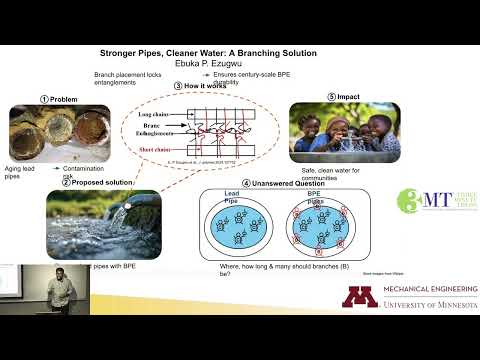
Millions of U.S. homes still rely on lead pipes, prompting a shift toward bimodal polyethylene replacements. This research examines how molecular branching affects pipe durability under chlorinated conditions. Using accelerated aging tests, it links polymer structure to long-term performance, guiding the design of safer, longer-lasting water pipes for future infrastructure.

This research improves the reliability of metal 3D-printed parts by studying internal porosity using X-ray computed tomography and extreme value statistics. By modeling the largest, failure-critical pores and accounting for uncertainty and geometry effects, it enables better prediction of fatigue performance in aerospace and medical components.

This research redesigns long wind-turbine blades for low-wind-speed sites by shifting structural strength from the internal spar to the aerodynamic shell. The new “eggshell-like” design reduces bending under the blade’s own weight, requires less material, and lowers costs—helping make wind power cheaper than fossil fuels without relying on political action.