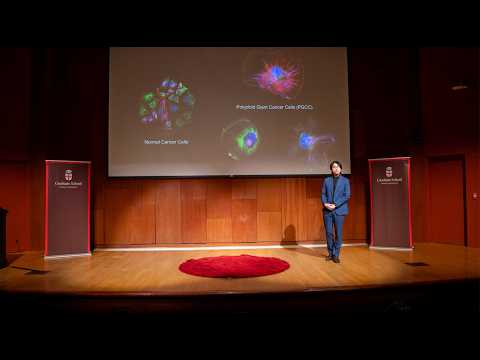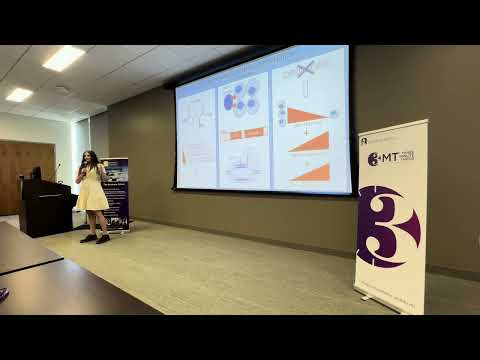
This research combines focused ultrasound and engineered genetic circuits to activate cancer immunotherapy directly within solid tumors. By locally triggering immune-stimulating cytokines such as IL-12, the approach aims to convert “cold” tumors into “hot” tumors while minimizing systemic toxicity, potentially expanding curative immunotherapy treatments to more cancer patients.

This research develops engineered ultrasonic reporters that allow ultrasound imaging to detect molecular activity rather than only anatomical structure. By targeting biological signals associated with cancer progression and cellular communication, the work aims to distinguish aggressive disease earlier and improve precision medicine through real-time, noninvasive monitoring of underlying cellular behavior.

This research uses artificial intelligence to predict the progression of Alzheimer’s disease and cancer using medical imaging data. By analyzing brain scans, tumor scans, and treatment responses, AI models can forecast disease development and treatment outcomes, enabling earlier intervention, more personalized care, and improved quality of life for aging populations.

This research develops synthetic genetic circuits that automatically alternate CAR T-cell activity between active cancer killing and recovery states. By preventing immune-cell exhaustion, these circuits could improve cancer immunotherapy effectiveness. The work also suggests broader biomedical applications where controlled cycling of gene activity may enhance treatment safety, longevity, and therapeutic performance.

This research uses spatial transcriptomics to map interactions between T cells, cancer cells, and immunosuppressive cells in tumours. Findings suggest cancer suppresses immune responses by surrounding and weakening T cells. The work aims to improve immunotherapy and enable personalised cancer treatment through detailed tumour mapping.