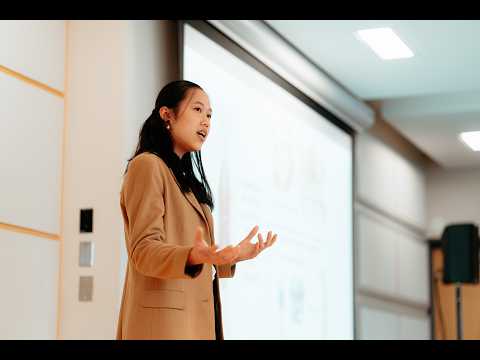
This research improves the safety of stem cell–derived heart cell therapy for heart failure by engineering a drug-controlled genetic safety switch. The approach prevents dangerous post-transplant arrhythmias while allowing transplanted cells to mature and synchronize with the heart, advancing regenerative alternatives to full heart transplantation.

This research develops DNA-origami-enhanced nanopores to detect individual biomolecules from a single drop of blood. By slowing molecules and reading their electrical signatures with machine learning, the technology enables rapid, ultra-early disease diagnosis without traditional laboratory testing.

Healing depends on a balance between extracellular matrix stiffness and cellular recycling through autophagy. This research shows that disrupted balance leads to chronic wounds or fibrotic scarring. By engineering materials with tunable stiffness, the work reveals how cells “sense” their environment, opening new paths to guide healthier wound healing.

Neurodegenerative diseases like Alzheimer’s and Parkinson’s are closely linked to abnormal dopamine levels but are diagnosed too late. This research develops a tiny electrochemical brain sensor that selectively detects dopamine in real time. Such technology could enable earlier diagnosis, better monitoring, and improved treatment of neurological disorders.

This research uses immune cell “molecular fingerprints” to rapidly detect cancer from a single drop of blood. By combining nanosensors and machine learning, subtle changes in B cells can be identified within minutes. The approach offers fast, accurate, and low-cost cancer detection with the potential to significantly improve early diagnosis and survival.

This research investigates using light-sensitive proteins to control cardiac electrical activity and treat arrhythmias. By precisely guiding heart rhythms with light rather than drugs or shocks, the study identifies proteins capable of suppressing dangerous premature signals, offering a reversible, non-invasive alternative to current heart disease treatments.

This research explores an injectable, thermosensitive hydrogel to deliver plant-based anticancer drugs for cervical cancer. By stabilizing phytochemicals and enabling localized, controlled release, the hydrogel significantly improves tumor cell killing while reducing side effects, offering a more patient-centered and effective treatment strategy.

This research develops a protein-based detection technology capable of identifying subtle molecular changes months before disease symptoms appear. By adapting nanopore sequencing with a protein “detangler,” it enables early warning for conditions like leukemia, shifting medicine from reactive treatment to proactive disease prevention.

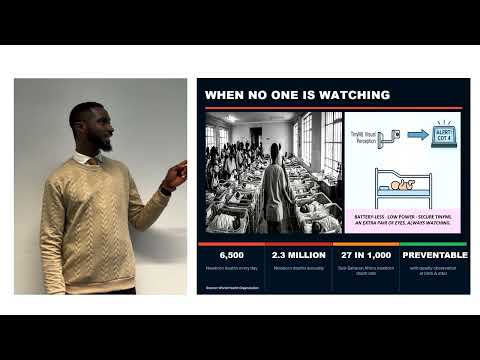
A biomedical engineering team developed a handheld device that measures newborn heart rate in under 10 seconds—far faster than current tools. Using a novel sensor and real-time algorithms, it improves clinicians’ ability to intervene within the critical first minute after birth. Clinical trials are complete, the device is patented, and commercialization is underway.

The speaker investigates why surgical sutures often fail and explores bio-inspired alternatives. Studying freshwater mussels—experts at sticking to wet surfaces—they analyze adhesive proteins to design stronger, water-compatible tissue adhesives. This research aims to create safer, more reliable surgical closure methods that reduce complications, infections, and reliance on traditional suturing.