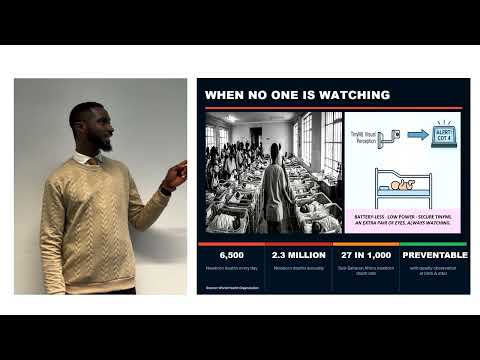
This research develops an ultra-low-power, battery-free newborn monitoring system for under-resourced hospitals. Using on-device artificial intelligence and energy harvesting, it continuously detects signs of distress while protecting patient privacy. The technology aims to support overstretched nurses, enable earlier intervention, and reduce preventable newborn deaths worldwide.

This research develops innovative three-dimensional "daisy" particle structures to improve inhaled medicines. Using Isothermal Dry Particle Coating, it prevents fine drug particles from clumping, ensuring they reach the lungs effectively. The work aims to improve inhaler performance and treatment for the 300 million people worldwide living with respiratory diseases.

2026
This thesis examines who turns to AI for mental health support, rather than whether AI can be a therapist. Drawing on TherapyGPT forum analysis and ongoing experiments, the research identifies fear of judgment, trust in AI and past therapist failures as possible drivers of AI therapy use.

This project developed AI Care, a voice-based caregiving system for people with early-stage Alzheimer's disease. Unlike conventional voice assistants, it uses caregiver-maintained medical records to provide personalised, safety-aware support. By adapting to users rather than requiring users to adapt to technology, AI Care aims to extend safe, independent living at home.

2025
This research examines whether changes in walking patterns can predict frailty before serious health events occur. Using smart insoles, GPS tracking, and machine learning, mobility data from older adults is analyzed to identify early warning signs of decline. The goal is to enable proactive interventions and support healthier aging.
2026
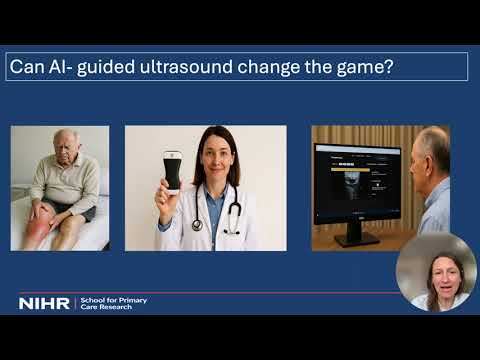
This research investigated whether AI-guided handheld ultrasound can help diagnose deep vein thrombosis (DVT) in primary care. Through a systematic review, a clinical study involving 565 patients, and stakeholder interviews, the research found promising results but highlighted challenges involving image quality, accountability, and integration into NHS healthcare systems.
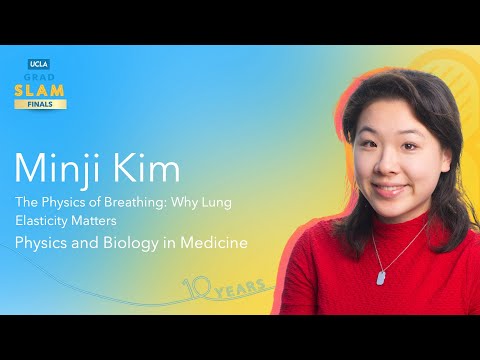
This research develops a physics-based method for measuring lung elasticity from medical imaging to predict which emphysema patients will benefit from lung valve treatment. By creating detailed elasticity maps, the work aims to improve treatment selection, enhance patient outcomes, and provide new quantitative tools for assessing lung health.

This research develops an AI model that combines thyroid ultrasound imaging with genetic testing to improve diagnosis of indeterminate thyroid nodules. By integrating molecular and imaging data, the model helps distinguish benign from cancerous nodules more accurately, reducing unnecessary surgeries and improving clinical decision-making for thyroid cancer patients.

This research develops soft, tissue-like implantable sensors capable of monitoring molecular signals inside the body in real time. By combining high-performance electronics with flexible, biocompatible materials, these devices could detect inflammation, stress, or organ damage before symptoms arise, enabling earlier diagnosis and more personalized healthcare.

2026
This 3MT® presentation describes how artificial intelligence can help non-specialist clinicians diagnose deep vein thrombosis using AI-guided handheld ultrasound devices. By enabling faster point-of-care diagnosis in GP surgeries, the project aims to reduce hospital referrals, improve accessibility for vulnerable patients, and help healthcare systems manage increasing clinical demand more efficiently.