My research develops smart polymer wound dressings that detect infections in chronic wounds through a visible color change. By providing immediate, non-invasive alerts, these materials enable faster treatment, reduce hospitalizations and amputations, and improve outcomes for people with diabetes and chronic wound conditions.

Hip dysplasia is often diagnosed too late or too inconsistently, leading to lifelong pain. The speaker’s research builds the first open-access AI tool for detecting and studying the condition, enabling portable automated diagnosis and global collaboration. By sharing tools instead of guessing, researchers can reduce unnecessary surgeries and improve outcomes worldwide.

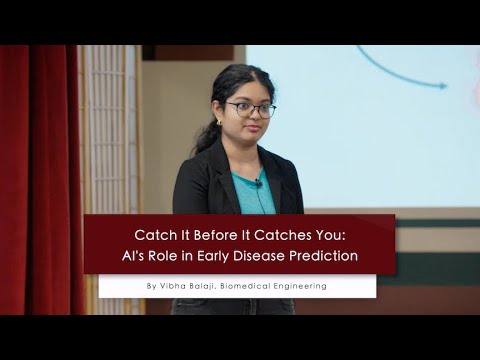
My research uses AI and wearable technology to track brain and body signals such as brain waves (EEG), heart rate, and movement. The goal?  Spotting early signs of Alzheimer's and Parkinson's before symptoms show up. Catching these subtle changes could mean helping people sooner, letting them enjoy the everyday moments that matter most

This research develops a PET material coated with nature-inspired nano-spikes that kill bacteria on contact. By preventing infections on medical devices, the technology can reduce antibiotic use and slow the rise of superbugs. The nano-spikes puncture bacterial cell walls, stopping movement, division, and ultimately causing cell rupture.

This research tests a new personalised care model for Parkinson’s called Prime Care, offering rapid access to support and tailored interventions based on each patient’s risk of hospital admission. A two-year clinical trial of 214 participants will determine whether this approach improves wellbeing and reduces costly, harmful hospital stays.