
This research investigates the genetic mechanisms underlying polycystic ovary syndrome (PCOS), a condition affecting one in ten women and the leading cause of female infertility. By studying thousands of genetic variants across multiple cell types, the project aims to identify the biological causes of PCOS and develop targeted treatments.
2026
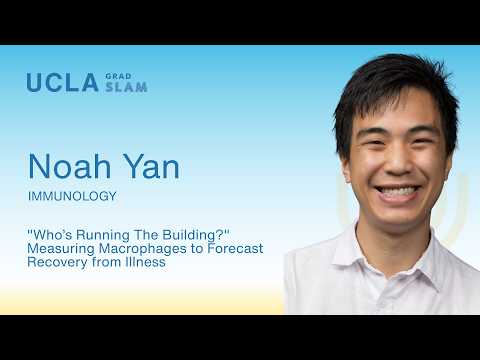
This research investigates macrophages, immune cells that regulate infection, tissue repair, and cancer responses. Through laboratory experiments and machine-learning models, it aims to predict macrophage function across different diseases and patients. The work could improve prognosis, guide treatments, evaluate drug safety, and forecast recovery following major illnesses and injuries.

This research develops nanobubble-enhanced ultrasound imaging as an accessible alternative to MRI for cancer diagnosis. Tiny gas-filled nanoparticles amplify ultrasound signals and improve image quality, particularly in prostate cancer. The technology could reduce diagnostic delays, lower costs, and provide high-quality medical imaging to more patients worldwide.

2026
This research investigates how glioblastoma brain cancer cells invade healthy brain tissue. Using patient-derived tumor organoids and traction force microscopy, the study measures how cancer cells generate and apply forces to move through the brain. Understanding these invasion mechanisms could help develop therapies that slow tumor spread and improve patient survival.
2025
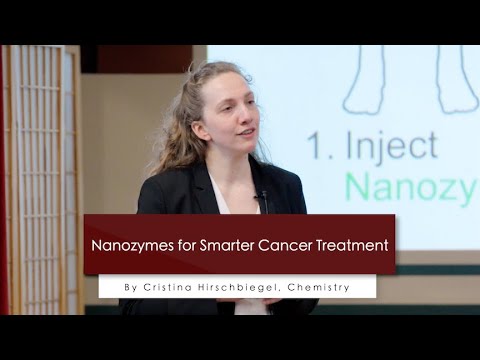
This research develops “nanozymes,” nanoparticle-based catalysts that activate cancer drugs directly at tumor sites. Instead of carrying large amounts of chemotherapy drugs, nanozymes locally trigger inactive drugs into their active form only within cancer tissue. Early mouse studies show effective tumor destruction with significantly reduced side effects compared to conventional chemotherapy.

2025
This research uses artificial intelligence to predict the progression of Alzheimer’s disease and cancer using medical imaging data. By analyzing brain scans, tumor scans, and treatment responses, AI models can forecast disease development and treatment outcomes, enabling earlier intervention, more personalized care, and improved quality of life for aging populations.

2026
This research develops nanoscale “smart package” delivery systems for PROTAC cancer drugs. Antibody nanogel conjugates selectively target cancer cells, enter them, and release therapeutic molecules while minimizing exposure to healthy tissue. The approach improves delivery efficiency and aims to reduce the severe side effects that often limit cancer treatment.
2026
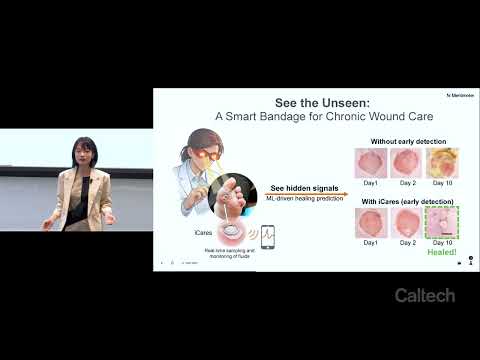
This research introduces iCares, a smart wound-monitoring bandage designed to detect infection and inflammation before visible symptoms appear. Using biosensors, fluid sampling, and machine learning, the system provides real-time wound analysis, enabling earlier intervention, personalized treatment, reduced complications, and improved healing outcomes for patients with chronic wounds.

Using a Twilight analogy, this research explains antibiotic-resistant bacteria as “vampires” protected by membranes. By crystallizing membrane proteins and analyzing them with X-ray techniques, the study reveals their structure and function. This enables precise drug design to block these proteins, potentially overcoming antibiotic resistance and targeting harmful bacteria more effectively.

This research uses spatial transcriptomics to map interactions between T cells, cancer cells, and immunosuppressive cells in tumours. Findings suggest cancer suppresses immune responses by surrounding and weakening T cells. The work aims to improve immunotherapy and enable personalised cancer treatment through detailed tumour mapping.