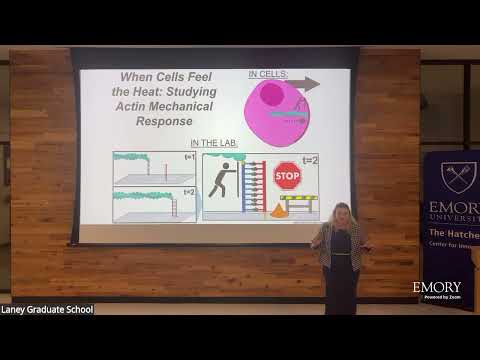
This research investigates how mechanical forces regulate cell movement using a novel DNA-based force probe. By measuring the force required to halt actin growth, it provides new insights into the mechanics of cell migration. The findings could ultimately help develop strategies to prevent cancer metastasis by controlling tumour cell movement.
This research investigates how cicadas generate extraordinary suction to feed on water inside plant xylem under extreme negative pressure. Using fluid measurements and micro-CT imaging, it uncovers the insect's unique pumping mechanism, offering insights into plant hydraulics while inspiring new designs for miniature medical pumps and microfluidic technologies.
This research examines whether changes in walking patterns can predict frailty before serious health events occur. Using smart insoles, GPS tracking, and machine learning, mobility data from older adults is analyzed to identify early warning signs of decline. The goal is to enable proactive interventions and support healthier aging.
This research develops a robotic system capable of reproducing real-world knee motions and ACL injury mechanisms in human cadaver knees. The platform enables realistic testing of injury-prevention technologies, improves understanding of ACL rupture biomechanics, and may help reduce injury risk, particularly among women who experience higher ACL injury rates.
This research addresses exercise-related injuries by modeling individual physical capacity rather than relying on population averages. Using physiological and biomechanical data combined with machine learning, it aims to create personalized, dynamic thresholds for training. The goal is to prevent injury by aligning workload with real-time capacity, improving safety and long-term fitness outcomes.
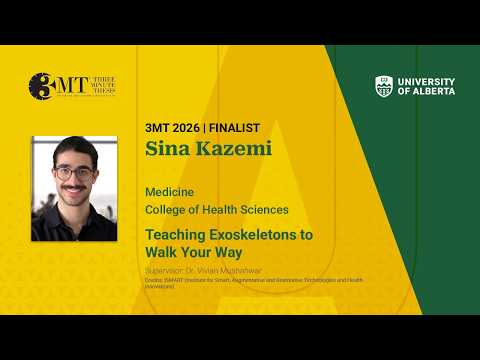
This research develops digital twin systems to personalise robotic exoskeleton movement. By integrating biomechanical modelling with real-time robotic control, it enables adaptive, user-specific walking patterns. The approach aims to improve rehabilitation outcomes by making assistive devices more natural, responsive, and aligned with individual movement needs.
This research examines disrupted brain–muscle communication following ACL reconstruction. While surgery restores mechanical stability, sensory deficits remain, causing neuromuscular impairments. By studying real-time neural control during varying muscle contractions, balance, and dual-task conditions, the project aims to improve rehabilitation strategies and reduce reinjury risk through enhanced neuro-muscular coordination.
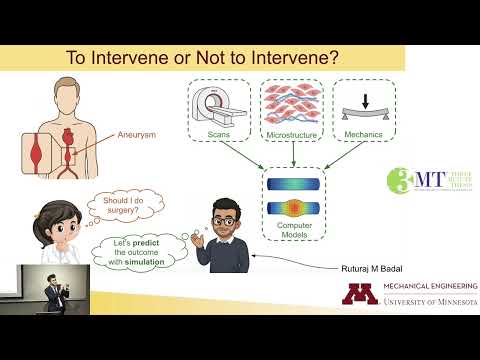
Aneurysms cause hundreds of thousands of deaths each year, yet most never rupture. This research applies vascular mechanics, medical imaging, and multiscale simulations to model how arteries grow and weaken over time. By predicting which aneurysms will burst, it aims to guide safer, patient-specific treatment decisions and prevent fatal outcomes.
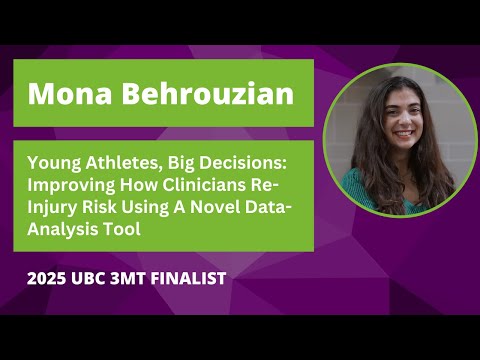
This research develops an objective, data-driven approach to return-to-sport decisions after pediatric knee surgery. Using motion capture and advanced data analysis, it identifies hidden movement patterns linked to re-injury risk. The goal is to improve clinical decision-making, reduce repeat injuries, and make injury prevention more accessible beyond specialist clinics.
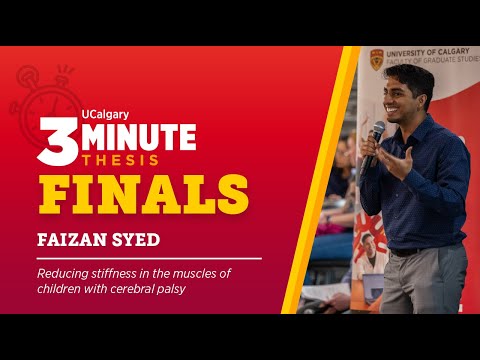
This research targets muscle stiffness in children with cerebral palsy by breaking down excess collagen in the muscle’s extracellular matrix. Treating muscle tissue with collagenase reduced stiffness by 50% without weakening muscle strength. The findings offer a promising step toward therapies that improve mobility, reduce pain, and enhance quality of life.
Pagination
- Page 1
- Next page