This research develops bespoke, lightweight breast prostheses for women following mastectomy. Using scans of the residual breast and mastectomy site, the project aims to improve comfort, fit and symmetry compared with conventional silicone prostheses. The ultimate goal is an accessible process that hospitals and cancer centres can implement in-house.

This research investigates the endocannabinoid system as a potential target for improving chronic pain management. Early findings show that people with higher blood levels of endocannabinoids are less sensitive to heat pain. The work could contribute to more personalised treatments, reduce reliance on existing approaches, and lessen healthcare costs.
This research develops pH-responsive biomaterials to deliver chemotherapy directly to glioblastoma cells in the brain. By releasing drugs in the presence of cancer while remaining closed around healthy tissue, the approach aims to improve treatment effectiveness, reduce harmful side effects, and ultimately enhance patients’ quality of life and survival.
This research investigates whether Alexa can support speech practice for people with Parkinson’s disease. After eight weeks of home use, nine of ten participants developed stronger voices. Although not a replacement for professional speech therapy, voice assistants could provide accessible, everyday opportunities to practise louder, clearer speech outside clinical settings.
This research investigates how New Zealand's childhood vision screening programme can better detect and treat vision problems. By trialling more frequent and accurate screening alongside fully funded school-based eye examinations, the project aims to improve eye-care access, reduce inequalities, inform national policy, and ensure every child has the opportunity to see clearly.
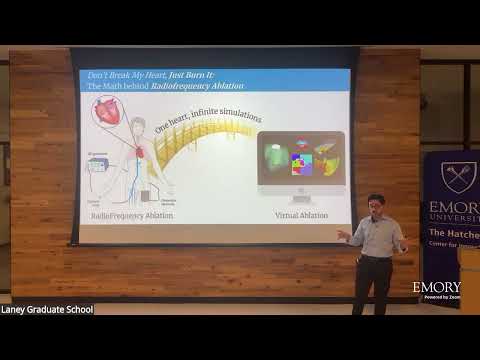
This research develops patient-specific digital twins of the heart to improve radiofrequency ablation for cardiac arrhythmias. By simulating heat transfer, tissue damage, and electrical activity, these computational models could improve treatment accuracy, reduce repeat procedures, accelerate medical device development, and advance the future of personalised cardiovascular medicine.
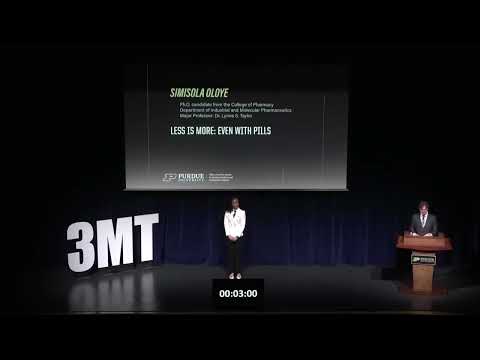
This research improves drug formulations by developing predictive tools for amorphous solid dispersions that increase drug solubility while allowing higher drug loading in a single tablet. The work aims to reduce pill burden, improve medication adherence, lower pharmaceutical development costs, and make treatments more effective for patients with chronic illnesses.
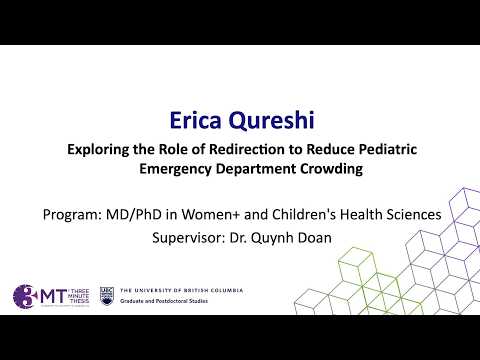
This research investigates whether redirecting children with non-urgent conditions from crowded emergency departments to community healthcare appointments can reduce waiting times. Through program evaluation, stakeholder interviews, and simulation modelling, it demonstrates that carefully designed redirection programs could safely improve patient flow, reduce delays, and enhance care for children and families.
This research investigates how bacterial biofilms alter the mechanical properties of infected skin to improve microneedle-based drug delivery. By measuring tissue stiffness, structural integrity, and puncture resistance, it provides the evidence needed to design microneedles that can effectively penetrate biofilms, deliver antibiotics directly, and improve treatment of chronic wound infections.
This research develops self-sterilising polymer coatings that become highly acidic when exposed to moisture, rapidly destroying harmful bacteria such as MRSA and E. coli. Designed for hospitals, classrooms, and other high-contact surfaces, these materials could reduce infections without harsh chemicals, helping prevent the spread of antibiotic-resistant bacteria.
Pagination
- Page 1
- Next page