Niall Ashfield investigates how cancer cells develop resistance to treatment. By recreating drug resistance in laboratory-grown cancer cells, his research examines the cellular changes that allow tumours to survive therapy. Identifying vulnerabilities in resistant cells could reveal alternative treatments, improve patient outcomes and support collaborations with pharmaceutical companies worldwide.
Megan Joyce investigates antimicrobial resistance in community-acquired pneumonia, particularly in lower-income countries. Her research explores affordable treatments combining novel adjunct therapies with existing antibiotics to address changing causes of pneumonia and inappropriate treatment. Motivated by family experiences, the project aims to improve antibiotic stewardship and develop accessible pharmaceutical treatments globally.
Aideen McCabe investigates earlier ovarian cancer detection through improved laboratory cell models and RNA-based biomarkers. Her research aims to identify suitable cell lines, discover potential diagnostic indicators and inform future treatments. Guided by patient partners, the project seeks to translate laboratory discoveries into clinical advances that improve patient outcomes.
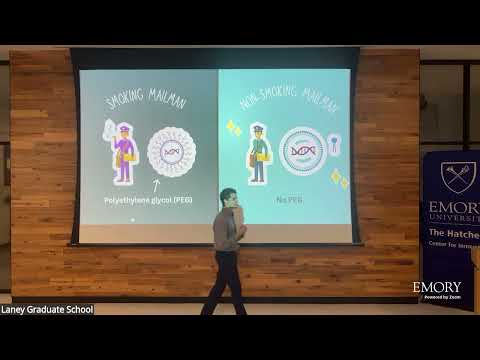
This research develops a novel PEG-free lipid nanoparticle for gene therapy. Unlike conventional nanoparticles, which trigger immune responses after repeated use, the new formulation remains stable without PEG and performs even better. The approach could enable safer repeat dosing, improve treatment effectiveness, and expand access to life-changing gene therapies.
Brocazine, a natural compound from mangrove plants, shows potential against several cancers but occurs only in tiny quantities in nature. This research develops a total synthesis route to build the molecule from simple chemicals, enabling large-scale production and future drug development, transforming a rare natural compound into an accessible cancer therapy.