Niall Ashfield investigates how cancer cells develop resistance to treatment. By recreating drug resistance in laboratory-grown cancer cells, his research examines the cellular changes that allow tumours to survive therapy. Identifying vulnerabilities in resistant cells could reveal alternative treatments, improve patient outcomes and support collaborations with pharmaceutical companies worldwide.
Megan Joyce investigates antimicrobial resistance in community-acquired pneumonia, particularly in lower-income countries. Her research explores affordable treatments combining novel adjunct therapies with existing antibiotics to address changing causes of pneumonia and inappropriate treatment. Motivated by family experiences, the project aims to improve antibiotic stewardship and develop accessible pharmaceutical treatments globally.
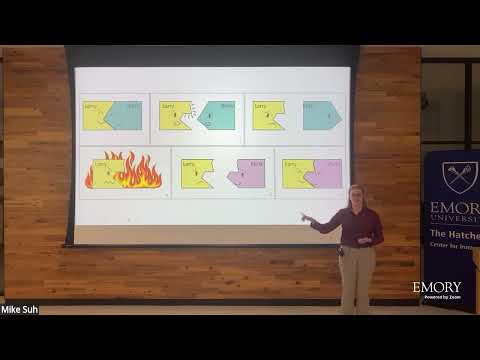
This research investigates how antiviral drug resistance develops by examining structural changes in viral proteins. Using protein crystallography, it identified why SARS-CoV-2 mutations prevent Paxlovid binding and discovered two compounds capable of inhibiting resistant viruses. The findings could guide development of more effective antivirals against future drug-resistant viral infections.
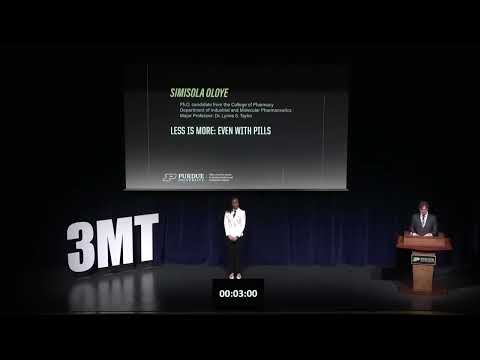
This research improves drug formulations by developing predictive tools for amorphous solid dispersions that increase drug solubility while allowing higher drug loading in a single tablet. The work aims to reduce pill burden, improve medication adherence, lower pharmaceutical development costs, and make treatments more effective for patients with chronic illnesses.
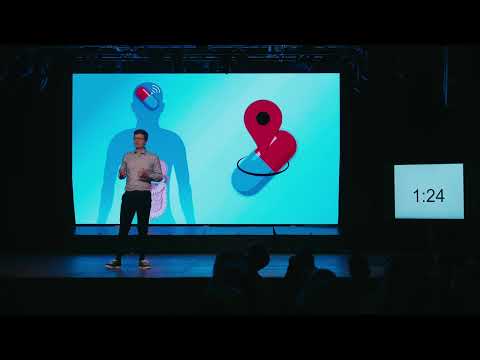
This research develops methods to insert radioactive carbon isotopes into drug molecules, allowing scientists to track how medicines move, transform, and are eliminated in the body. By using catalysts to precisely label drugs, researchers can better understand drug behaviour and accelerate the development of safer, more effective medicines.