This research investigates the endocannabinoid system as a potential target for improving chronic pain management. Early findings show that people with higher blood levels of endocannabinoids are less sensitive to heat pain. The work could contribute to more personalised treatments, reduce reliance on existing approaches, and lessen healthcare costs.

This research examines the economic and social value of community-based healthcare services to support sustainable funding decisions. Using the Crann Centre in Cork as a case study, it applies established evaluation methods to assess value for money while incorporating the experiences of people with neuro-physical disabilities and their families.
This research examines how maternal self-efficacy develops during matrescence, the transition to motherhood. Through interviews with new mothers and analysis of the SPACE programme, it shows that confidence in parenting grows not from perfection but from supportive environments, highlighting the need to rebuild community support for new mothers.
This research investigates how New Zealand's childhood vision screening programme can better detect and treat vision problems. By trialling more frequent and accurate screening alongside fully funded school-based eye examinations, the project aims to improve eye-care access, reduce inequalities, inform national policy, and ensure every child has the opportunity to see clearly.
This research explores how autoimmune disease affects identity in young adults. Interviews with 25 New Zealanders revealed that diagnosis reshapes identity, relationships with the body, and perceptions of disability. The findings suggest that supporting identity—not just treating disease—could improve health behaviours, wellbeing, and long-term outcomes for people with autoimmune conditions.
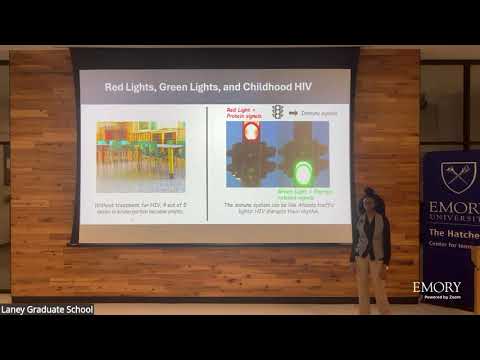
This research investigates how HIV disrupts the developing immune system in early life. Using a baby monkey model of HIV infection, the study identifies immune signals that either promote or limit infection spread. The findings could guide new immune-targeted therapies that improve survival and long-term outcomes for children living with HIV.
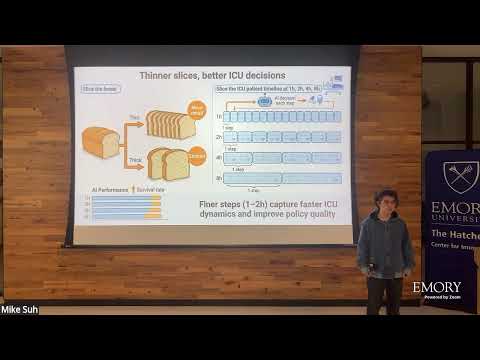
This research investigates how the choice of time interval affects reinforcement learning models for sepsis treatment in intensive care. By comparing one-, two-, four-, and eight-hour patient timelines, it demonstrates that shorter intervals better capture patient dynamics, improve estimated survival outcomes, and may enable more effective AI-assisted clinical decision-making.
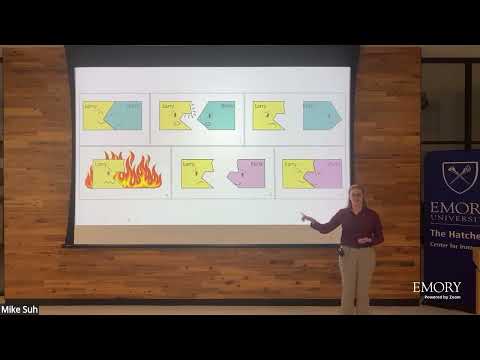
This research investigates how antiviral drug resistance develops by examining structural changes in viral proteins. Using protein crystallography, it identified why SARS-CoV-2 mutations prevent Paxlovid binding and discovered two compounds capable of inhibiting resistant viruses. The findings could guide development of more effective antivirals against future drug-resistant viral infections.
This research investigates whether redirecting children with non-urgent conditions from crowded emergency departments to community healthcare appointments can reduce waiting times. Through program evaluation, stakeholder interviews, and simulation modelling, it demonstrates that carefully designed redirection programs could safely improve patient flow, reduce delays, and enhance care for children and families.
This research explores how redesigning onboarding experiences for contact tracing apps can improve public understanding, trust, and adoption. Through co-design workshops with experts and smartphone users, it identifies strategies that better explain privacy practices, personalise user choices, and reinforce community participation to strengthen future pandemic responses.
Pagination
- Page 1
- Next page