This research investigates the endocannabinoid system as a potential target for improving chronic pain management. Early findings show that people with higher blood levels of endocannabinoids are less sensitive to heat pain. The work could contribute to more personalised treatments, reduce reliance on existing approaches, and lessen healthcare costs.


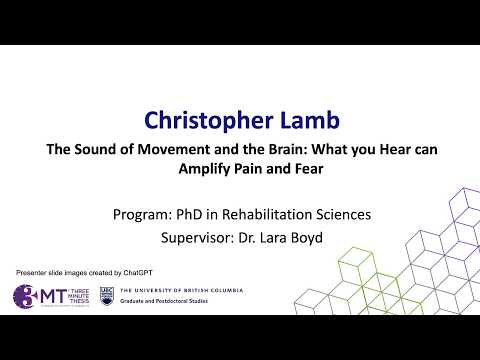
This research investigates whether modifying movement-related sounds can reduce pain and fear in people with knee osteoarthritis. By replacing threatening joint noises with more positive auditory cues, it aims to retrain pain perception, improve rehabilitation outcomes, increase muscle activation, and help patients confidently return to everyday activities.

This research investigates the role of oligodendrocytes in Fragile X syndrome, revealing delayed cell maturation and disrupted myelin development. Using human stem cell and mouse models, it identifies these overlooked cells as promising therapeutic targets, potentially enabling earlier and more effective treatments for Fragile X and related neurodevelopmental disorders.

This research investigates how loneliness affects brain function across adulthood. Using brain imaging, it identifies age-related differences in activity within the caudate, a region involved in social reward processing. The findings suggest loneliness alters how people perceive social interactions, supporting the development of personalized, age-appropriate interventions to reduce chronic loneliness.

This research explores how early-life stress alters the gut microbiome and its communication with the brain, challenging the traditional "leaky gut" theory of anxiety. Using a comprehensive, lifespan-wide approach, it identifies a potential new mechanism that could enable more personalized treatments for patients who do not respond to current anxiety therapies.

This research investigates how declining ovarian health influences brain aging and dementia risk. Using genetically engineered mouse models, it identifies inflammation and metabolic stress in the hippocampus associated with low egg quality, suggesting that treatments targeting menopause, hormonal imbalance, or insulin resistance could help protect cognitive health and prevent dementia.

This research demonstrates that moving visual stimuli can improve time perception to match the accuracy of auditory cues. Using a novel bouncing-ball experiment, it challenges the belief that hearing is always superior for judging time and offers new insights for assistive technologies, sports performance, human coordination, and cognitive psychology.