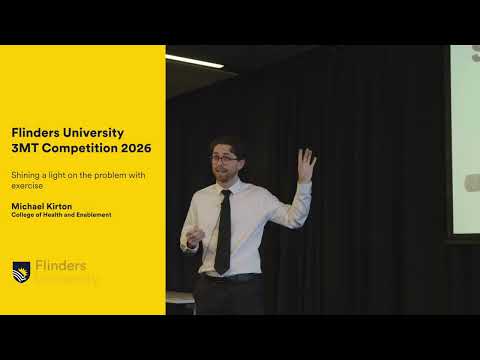
This research investigates red and near-infrared light therapy as a potential intervention for Parkinson's disease. An eight-week study involving twenty participants reported improvements in metabolic syndrome, while interviews identified perceived benefits for symptoms and wellbeing. The findings suggest light therapy could complement exercise and improve quality of life.
Rosie Gigila investigates cognitive dysfunction in neurological conditions including multiple sclerosis and motor neuron disease. By examining brain activity associated with changes in memory, learning and attention, her research aims to develop improved measurement tools for tracking cognitive impairment, predicting changes and evaluating treatment effectiveness in future clinical trials.
This research uses nematode worms and machine learning to quantify changes in neuron structure linked to neurodegenerative diseases. By replacing subjective visual analysis with objective computational methods, it identifies structural abnormalities and improves understanding of disease mechanisms, supporting future advances in diagnosis and treatment.
Myelin enables efficient communication between nerve cells and is essential for cognition, movement, and sensation. In neurodegenerative diseases, myelin is lost, impairing daily life. This research uses stem cells, gene profiling, and gene editing to uncover why myelin fails—and how regenerating it could transform treatment.
Neurodegenerative diseases like Alzheimer’s and Parkinson’s are closely linked to abnormal dopamine levels but are diagnosed too late. This research develops a tiny electrochemical brain sensor that selectively detects dopamine in real time. Such technology could enable earlier diagnosis, better monitoring, and improved treatment of neurological disorders.