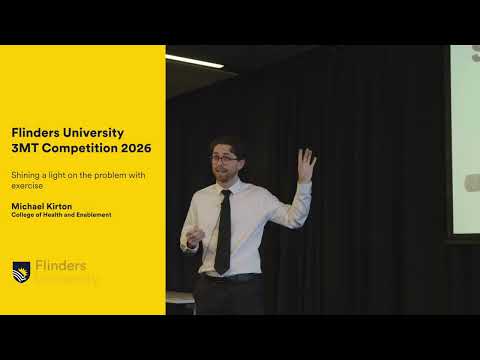
This research investigates red and near-infrared light therapy as a potential intervention for Parkinson's disease. An eight-week study involving twenty participants reported improvements in metabolic syndrome, while interviews identified perceived benefits for symptoms and wellbeing. The findings suggest light therapy could complement exercise and improve quality of life.
This research advances health equity for neurological patients by improving health literacy, engaging communities through participatory research, and implementing evidence-based healthcare practices. By designing communication around patients' lived experiences, it aims to improve treatment adherence, reduce health disparities, strengthen caregiver support, and create more accessible, person-centered healthcare systems.
This research introduces the first simple mathematical model capable of capturing the cooperative folding of alpha helices, a fundamental protein structure. By revealing how these proteins fold, stabilize, and misfold, the model offers new insights into diseases such as Alzheimer's and Parkinson's while providing a fast, flexible platform for protein research.