This research investigates red and near-infrared light therapy as a potential intervention for Parkinson's disease. An eight-week study involving twenty participants reported improvements in metabolic syndrome, while interviews identified perceived benefits for symptoms and wellbeing. The findings suggest light therapy could complement exercise and improve quality of life.
Melissa Kinch investigates how young people with rare, chronic kidney conditions can be supported when transitioning from paediatric to adult healthcare. Working with patients, families, caregivers and healthcare professionals, her research aims to co-design a practical clinical tool that improves healthcare transitions and supports better experiences and outcomes for patients.
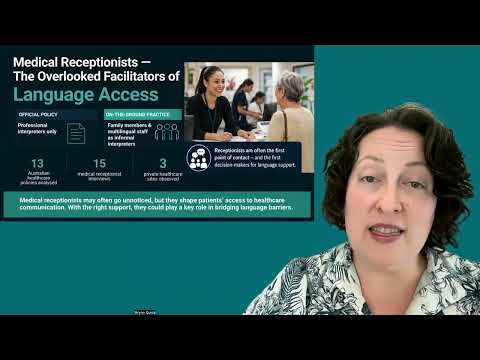
This research examines how Australian medical receptionists manage language barriers in healthcare. Interviews, observations and policy analysis reveal that receptionists frequently rely on family members or multilingual staff rather than professional interpreters, despite official guidance. The findings highlight inadequate training and the need for policies supporting equitable healthcare communication.
This research examines the economic and social value of community-based healthcare services to support sustainable funding decisions. Using the Crann Centre in Cork as a case study, it applies established evaluation methods to assess value for money while incorporating the experiences of people with neuro-physical disabilities and their families.
This research explores how autoimmune disease affects identity in young adults. Interviews with 25 New Zealanders revealed that diagnosis reshapes identity, relationships with the body, and perceptions of disability. The findings suggest that supporting identity—not just treating disease—could improve health behaviours, wellbeing, and long-term outcomes for people with autoimmune conditions.
This research quantitatively demonstrates disparities in healthcare quality experienced by transgender patients. Using objective clinical quality measures rather than personal testimony alone, it shows transgender patients receive recommended treatments less often. Encouragingly, providers with greater experience treating transgender patients deliver more equitable care, highlighting the importance of education and clinical exposure.
This thesis examines who turns to AI for mental health support, rather than whether AI can be a therapist. Drawing on TherapyGPT forum analysis and ongoing experiments, the research identifies fear of judgment, trust in AI and past therapist failures as possible drivers of AI therapy use.
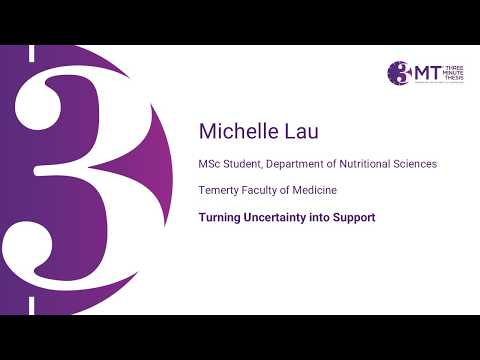
This research investigates taste alterations experienced by cancer patients during chemotherapy and radiotherapy. Using electrogustometry and flavour profile analysis, the study measures and categorizes changes in taste perception to guide the development of tailored food products that improve nutrition, comfort, and quality of life for people undergoing cancer treatment.
This research examines the overlap between IBS and eating disorder–like behaviours, where conflicting dietary advice creates clinical uncertainty. By interviewing patients and providers, it identifies two distinct groups based on motivation for food restriction. The goal is to develop tools that improve nutrition counselling and support better, safer patient care.
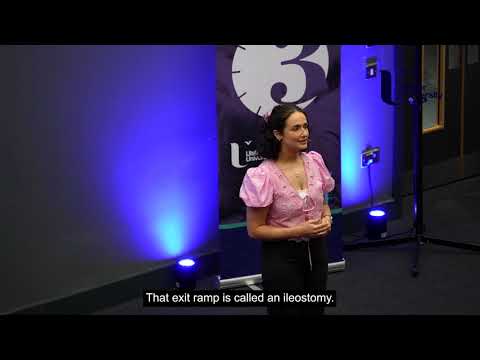
This research examines nutrition and hydration challenges after ileostomy surgery. Interviews and surveys reveal widespread fear, confusion, and poor hydration knowledge due to inconsistent advice. By developing evidence-based dietary guidance, this work aims to reduce complications, improve quality of life, and help ileostomates eat and drink with confidence.
Pagination
- Page 1
- Next page