Megan Joyce investigates antimicrobial resistance in community-acquired pneumonia, particularly in lower-income countries. Her research explores affordable treatments combining novel adjunct therapies with existing antibiotics to address changing causes of pneumonia and inappropriate treatment. Motivated by family experiences, the project aims to improve antibiotic stewardship and develop accessible pharmaceutical treatments globally.
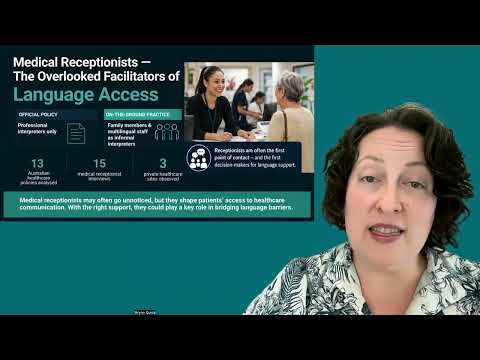
This research examines how Australian medical receptionists manage language barriers in healthcare. Interviews, observations and policy analysis reveal that receptionists frequently rely on family members or multilingual staff rather than professional interpreters, despite official guidance. The findings highlight inadequate training and the need for policies supporting equitable healthcare communication.
This research examines mental health and help-seeking among neurodivergent young people. Northern Ireland data reveal substantially higher rates of anxiety, depression, suicidal thoughts and self-harm, alongside greater online help-seeking. The research evaluates digital mental health support and works directly with young people to develop more accessible, neurodiversity-informed services and guidance.
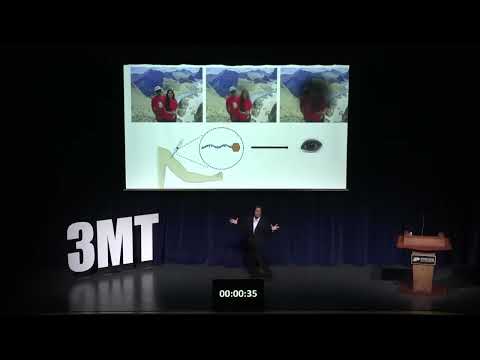
This research develops a targeted anti-VEGF therapy for wet age-related macular degeneration that can be injected under the skin rather than directly into the eye. In animal studies, the drug successfully reached the eye and reduced abnormal blood vessel growth, offering a safer, cheaper, and more convenient treatment for preventing blindness.
This 3MTĀ® presentation describes how artificial intelligence can help non-specialist clinicians diagnose deep vein thrombosis using AI-guided handheld ultrasound devices. By enabling faster point-of-care diagnosis in GP surgeries, the project aims to reduce hospital referrals, improve accessibility for vulnerable patients, and help healthcare systems manage increasing clinical demand more efficiently.