Year
2026
Summary
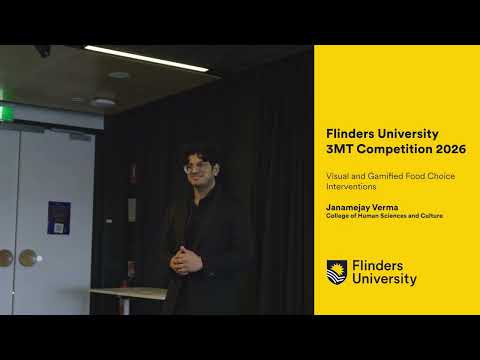
This research explores how educational games can improve nutrition knowledge and encourage healthier food choices. Combining evidence from game-based interventions, interviews on food icon design and experiments examining decision-making, the project aims to develop a physical board game that makes nutrition education engaging, accessible and applicable to everyday eating decisions.
Organisation