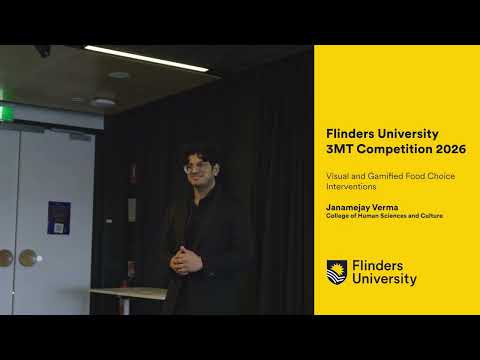
This research explores how educational games can improve nutrition knowledge and encourage healthier food choices. Combining evidence from game-based interventions, interviews on food icon design and experiments examining decision-making, the project aims to develop a physical board game that makes nutrition education engaging, accessible and applicable to everyday eating decisions.
This research explores how virtual reality can develop intercultural competence in young English learners. Through an immersive VR game comparing Chinese and New Zealand cultures, children build cultural understanding, openness, and critical awareness. The project also establishes design principles to help educators create accessible intercultural learning experiences through VR.
This research develops an Indigenous-informed video game that teaches environmental stewardship through reciprocal relationships with the land. Drawing on community knowledge and storytelling, the game challenges extractive, colonial approaches common in popular games by making ecological balance, listening, and responsibility essential for survival and success.
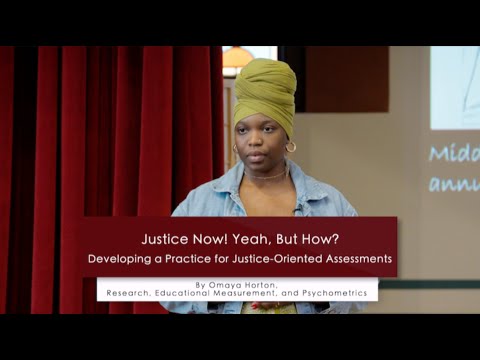
This research examines how educational assessment systems can become more just, inclusive, and culturally relevant. Using participatory action research, it proposes a five-step framework emphasizing community collaboration, anti-racist assessment design, continuous revision, and student-centered approaches that prioritize equity, engagement, identity, and educational justice over standardized measurement alone.