
This research investigates how New Zealand's childhood vision screening programme can better detect and treat vision problems. By trialling more frequent and accurate screening alongside fully funded school-based eye examinations, the project aims to improve eye-care access, reduce inequalities, inform national policy, and ensure every child has the opportunity to see clearly.
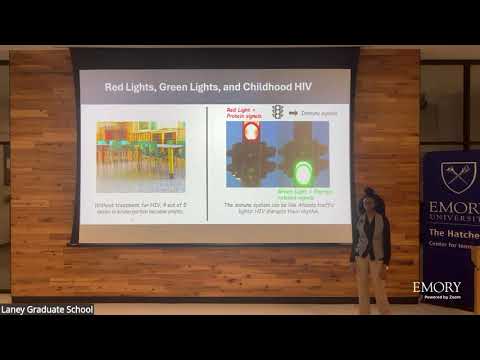
This research investigates how HIV disrupts the developing immune system in early life. Using a baby monkey model of HIV infection, the study identifies immune signals that either promote or limit infection spread. The findings could guide new immune-targeted therapies that improve survival and long-term outcomes for children living with HIV.
2026
This research investigates whether redirecting children with non-urgent conditions from crowded emergency departments to community healthcare appointments can reduce waiting times. Through program evaluation, stakeholder interviews, and simulation modelling, it demonstrates that carefully designed redirection programs could safely improve patient flow, reduce delays, and enhance care for children and families.
2017
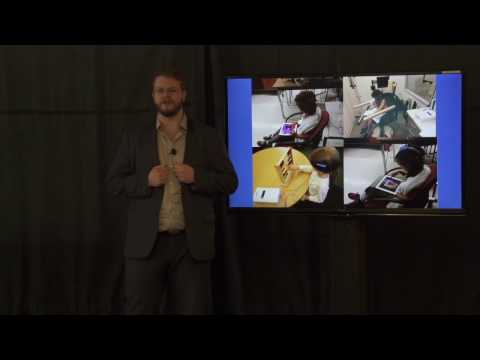
This research explores brain stimulation as a safe, low-cost alternative to medication for children with neurological and mental health conditions. Despite promising results across disorders, only a small fraction of studies involve children. The work aims to expand evidence and access, improving global treatment options, especially for low-income populations.
2024
My research investigates how families manage temporary feeding tubes at home. Using journey mapping with 30 families, it reveals overwhelming routines, safety fears, isolation, and lack of support. The findings expose major gaps in healthcare communication and training, highlighting the urgent need for better systems to help families thrive beyond “plan, prep, feed, clean, repeat.”