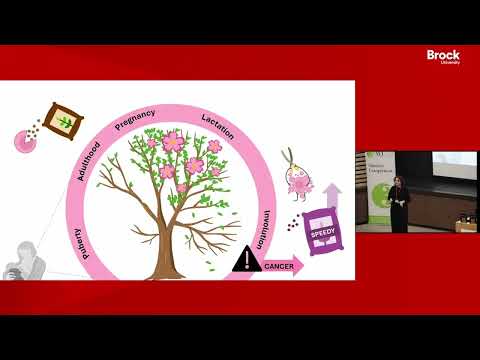
This research investigates how the protein Speedy influences breast tissue remodelling after pregnancy and its potential role in postpartum breast cancer. Mouse experiments suggest elevated Speedy reduces cell death but increases precancerous growths following carcinogen exposure. Understanding this mechanism could reveal new biomarkers and targets for earlier cancer detection.
Niall Ashfield investigates how cancer cells develop resistance to treatment. By recreating drug resistance in laboratory-grown cancer cells, his research examines the cellular changes that allow tumours to survive therapy. Identifying vulnerabilities in resistant cells could reveal alternative treatments, improve patient outcomes and support collaborations with pharmaceutical companies worldwide.
Aideen McCabe investigates earlier ovarian cancer detection through improved laboratory cell models and RNA-based biomarkers. Her research aims to identify suitable cell lines, discover potential diagnostic indicators and inform future treatments. Guided by patient partners, the project seeks to translate laboratory discoveries into clinical advances that improve patient outcomes.
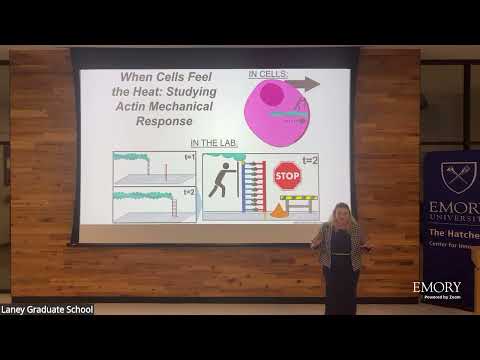
This research investigates how mechanical forces regulate cell movement using a novel DNA-based force probe. By measuring the force required to halt actin growth, it provides new insights into the mechanics of cell migration. The findings could ultimately help develop strategies to prevent cancer metastasis by controlling tumour cell movement.
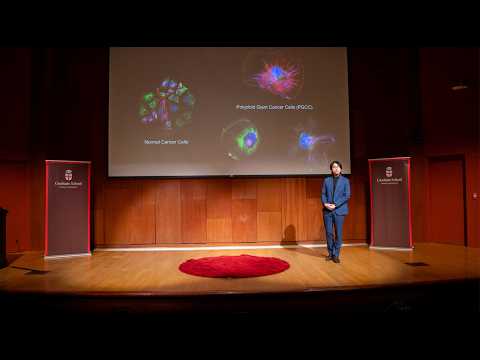
This research investigates polyploid giant cancer cells, a highly treatment-resistant population responsible for cancer relapse. By studying their structural biology and dependence on lipid metabolism, the work identifies metabolic vulnerabilities that can be targeted alongside chemotherapy, offering a promising strategy to eliminate resistant cancer cells and improve long-term treatment outcomes.
This research investigates a new targeted treatment strategy for kidney cancer by inhibiting the cancer-promoting protein PIM1 while enhancing TRAIL-mediated apoptosis. Together with the FDA-approved drug ONC201, this combination restores cancer cells' ability to self-destruct, offering a promising therapeutic approach now being evaluated in preclinical studies.
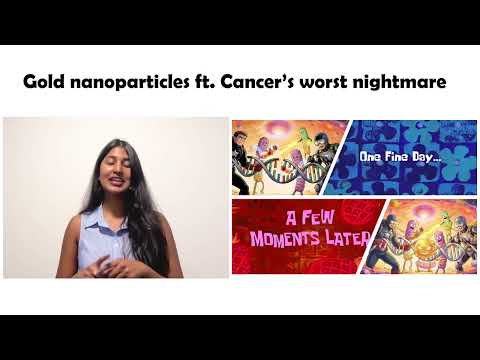
This research develops gold nanoparticles coated with peptides to block DNA repair in colorectal cancer cells, helping overcome drug resistance. Laboratory studies show the treatment dramatically reduces cancer cell survival after radiation while minimising toxicity. The approach could provide a safer, more effective therapy for colorectal cancer and other drug-resistant cancers.
This research investigates macrophages, immune cells that regulate infection, tissue repair, and cancer responses. Through laboratory experiments and machine-learning models, it aims to predict macrophage function across different diseases and patients. The work could improve prognosis, guide treatments, evaluate drug safety, and forecast recovery following major illnesses and injuries.
This research investigates how SUMO protein labeling regulates DNA repair after damage caused by sunlight and other stresses. Using yeast as a model organism, the study shows that SUMO helps recruit and remove repair proteins at damaged DNA sites. Understanding these signaling mechanisms may improve cancer prevention and treatment strategies.
This research uses spatial transcriptomics to map interactions between T cells, cancer cells, and immunosuppressive cells in tumours. Findings suggest cancer suppresses immune responses by surrounding and weakening T cells. The work aims to improve immunotherapy and enable personalised cancer treatment through detailed tumour mapping.
Pagination
- Page 1
- Next page