This research investigates how the protein Speedy influences breast tissue remodelling after pregnancy and its potential role in postpartum breast cancer. Mouse experiments suggest elevated Speedy reduces cell death but increases precancerous growths following carcinogen exposure. Understanding this mechanism could reveal new biomarkers and targets for earlier cancer detection.
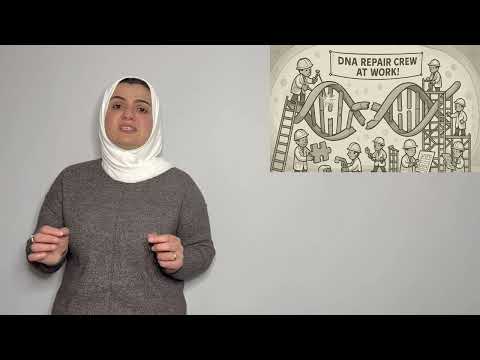
This research investigates how cells repair dangerous DNA double-strand breaks through the non-homologous end joining pathway. By identifying key proteins involved in this error-prone repair process, the work reveals new opportunities to sensitise cancer cells to radiation and chemotherapy, potentially improving treatment outcomes for aggressive cancers.
Type 1 diabetes destroys insulin-producing cells, leaving patients dependent on lifelong injections. Islet transplants could provide freedom, but most cells die quickly. This research uses drug-loaded microparticles that protect transplanted islets, boosting survival, insulin production, and diabetes reversal. The approach could cut costs, reduce donor needs, and transform treatment for multiple diseases.