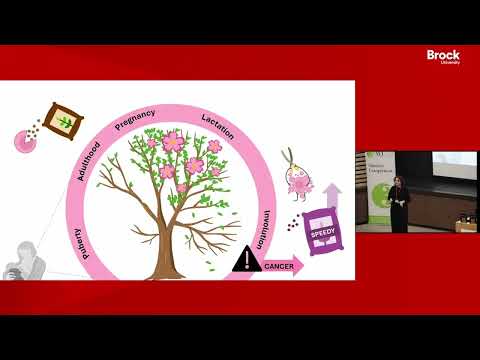
This research investigates how the protein Speedy influences breast tissue remodelling after pregnancy and its potential role in postpartum breast cancer. Mouse experiments suggest elevated Speedy reduces cell death but increases precancerous growths following carcinogen exposure. Understanding this mechanism could reveal new biomarkers and targets for earlier cancer detection.
Niall Ashfield investigates how cancer cells develop resistance to treatment. By recreating drug resistance in laboratory-grown cancer cells, his research examines the cellular changes that allow tumours to survive therapy. Identifying vulnerabilities in resistant cells could reveal alternative treatments, improve patient outcomes and support collaborations with pharmaceutical companies worldwide.
Aideen McCabe investigates earlier ovarian cancer detection through improved laboratory cell models and RNA-based biomarkers. Her research aims to identify suitable cell lines, discover potential diagnostic indicators and inform future treatments. Guided by patient partners, the project seeks to translate laboratory discoveries into clinical advances that improve patient outcomes.
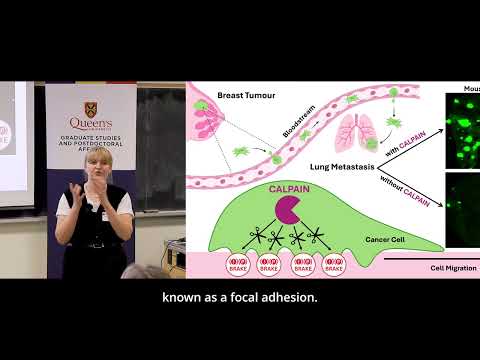
This research investigates how calpain, a protein that regulates cell movement, contributes to breast cancer metastasis. By disrupting calpain in tumor cells, researchers show reduced spread to the lungs in mouse models. Targeting calpain may improve combination therapies and offer new treatment strategies for metastatic breast cancer patients.
This research investigates therapy-resistant persister cells in lung cancer using single-cell analysis of patient tumors before, during, and after treatment. Findings show persister cells survive by entering a dormant state and activating the cilia–FGFR4 survival pathway. Targeting this pathway could eliminate persister cells and prevent relapse in patients.