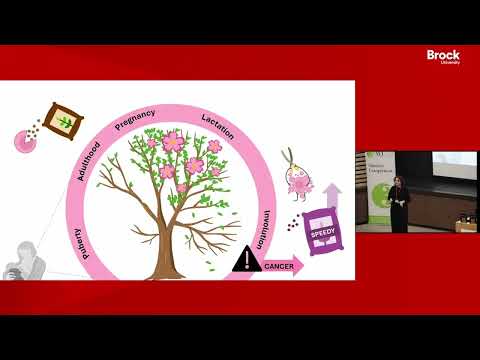
This research investigates how the protein Speedy influences breast tissue remodelling after pregnancy and its potential role in postpartum breast cancer. Mouse experiments suggest elevated Speedy reduces cell death but increases precancerous growths following carcinogen exposure. Understanding this mechanism could reveal new biomarkers and targets for earlier cancer detection.
Low-grade serous ovarian cancer frequently returns after standard treatment, and current targeted drugs eventually stop working. This research investigates why cancer cells become resistant, comparing them to prey that adapt to evade a predator. By treating patient-derived tumor cells with inhibitors and analyzing the genes activated in the resistant survivors, the research aims to uncover the mechanisms behind drug resistance and guide development of more effective therapies.
Late-stage cancers often recur more aggressively after treatment. This research identifies the specific dendritic cell types found inside tumors, distinguishing “good” anti-cancer cells from “bad” tumor-promoting ones. Using this knowledge, a tailored dendritic-cell vaccine is being developed and tested in an ovarian-cancer-like mouse model to prevent relapse.