This research investigates how the protein Speedy influences breast tissue remodelling after pregnancy and its potential role in postpartum breast cancer. Mouse experiments suggest elevated Speedy reduces cell death but increases precancerous growths following carcinogen exposure. Understanding this mechanism could reveal new biomarkers and targets for earlier cancer detection.
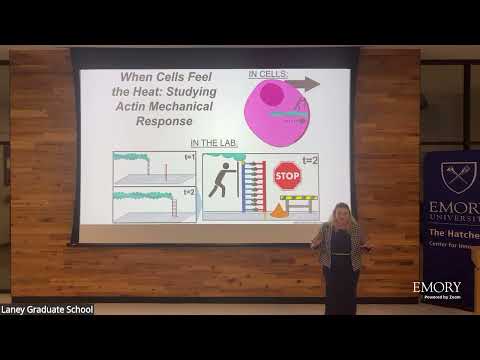
This research investigates how mechanical forces regulate cell movement using a novel DNA-based force probe. By measuring the force required to halt actin growth, it provides new insights into the mechanics of cell migration. The findings could ultimately help develop strategies to prevent cancer metastasis by controlling tumour cell movement.
Mitochondria are known as the cell’s powerhouses, but new research shows they also guide cell movement. Using advanced imaging, this work reveals how mitochondria control direction and speed of migrating cells. Understanding this process may explain wound healing and how cancer cells spread throughout the body.
My research investigates tiny particles released by metastatic cancer cells—messengers that help cancer hide from the immune system. By capturing and analysing these particles, the study aims to uncover how they evade detection and to develop new strategies that “teach” the immune system to recognise and neutralise them, leading to safer, more effective cancer therapies.